
A look at the increasing importance of stadia beyond 90 minutes
Historically, stadiums have purely been defined by their fixtures. Turnstiles will open, crowds will arrive and leave 90 minutes later and then the lights go out. With growing financial pressures, that model no longer holds for many clubs looking for ways to generate more regular income streams.
Across the UK, football stadia and sporting venues are slowly repositioning as year-round entertainment hubs with restaurants, commercial activities and community spaces to make sure they do not sit dormant for long periods of time. This shift is also important for local authorities as the redevelopment of local sports clubs and stadia is no longer just a sporting decision, it is often a regeneration project with implications on social value, land use and viability.
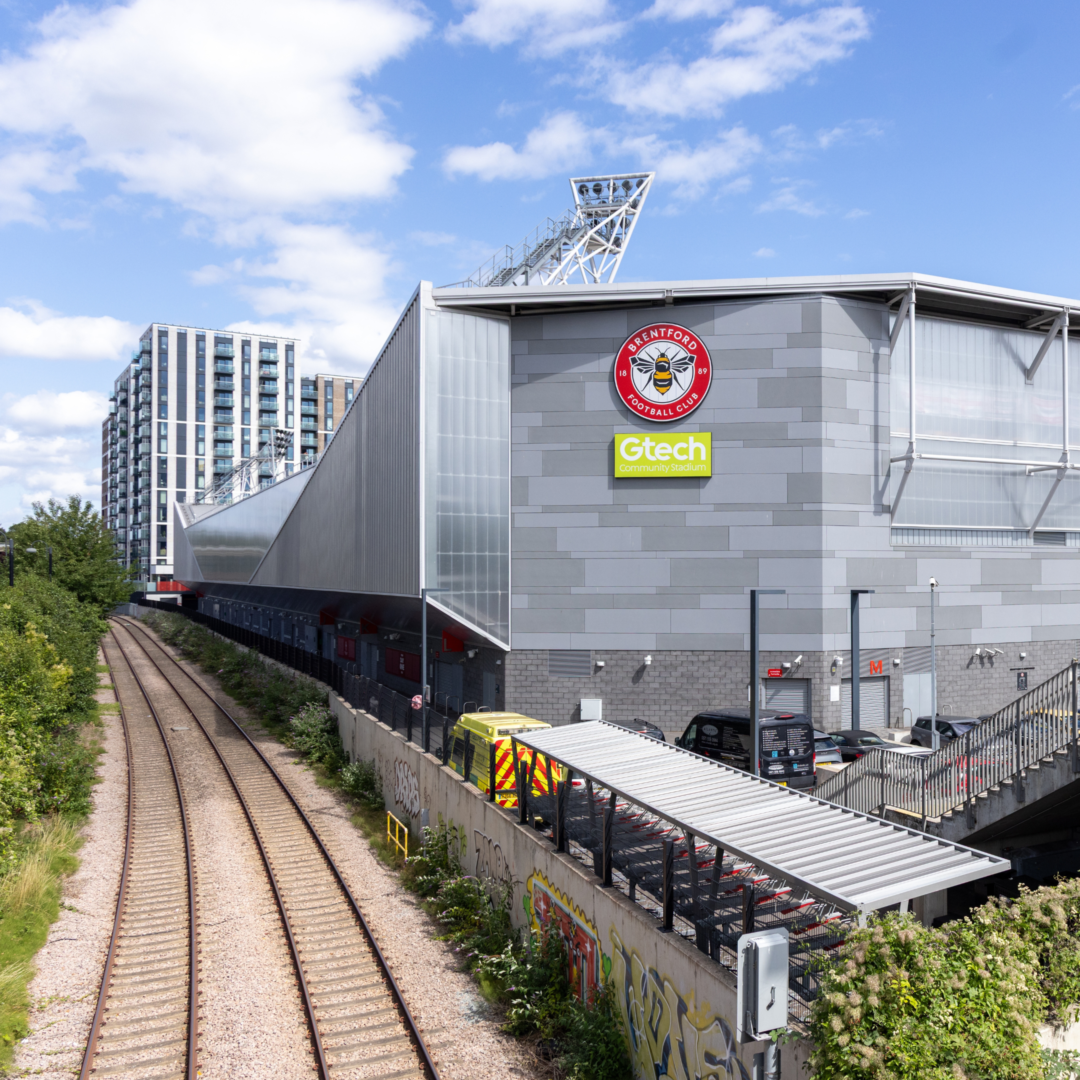
At the top end, football clubs such as Brentford and Tottenham have shown how a modern stadium can be multi-use from day one with community programmes, flexible event spaces (concerts, Rugby, NFL etc.) and dining offers that are part of a business model and create an attractive destination all year round. However, while Premier League projects often do not struggle to attract investment, the picture is more complicated further down the pyramid.
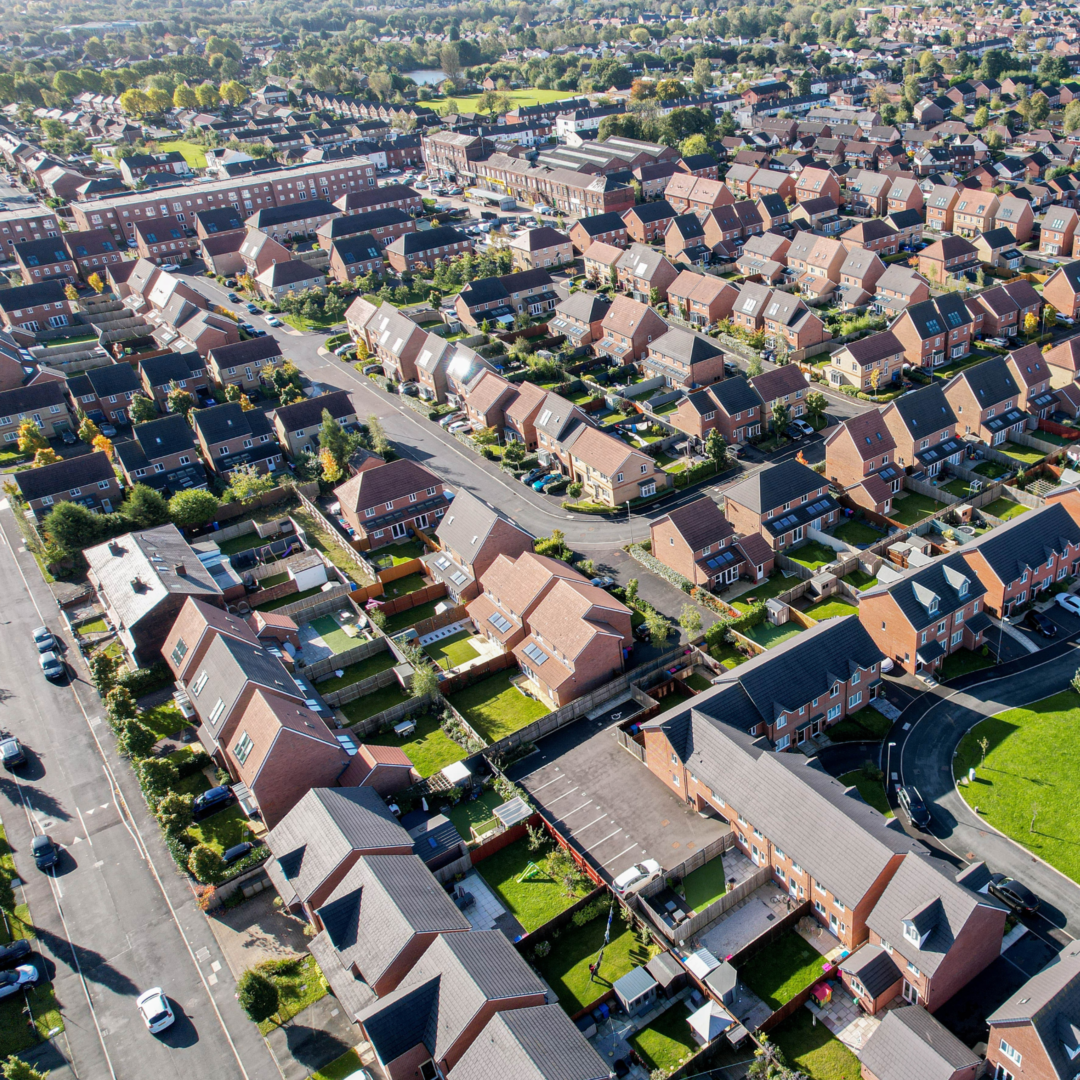
For clubs outside of the Premier League, regeneration and expansion is often reliant on enabling development. Proposals to relocate or upgrade stadia become tied to enabling development whether it be residential, hotel or mixed-use. That may mean new housing on surplus land or retail and leisure space around a new stand.
Clubs which have been exploring options for a new stadium illustrate the funding issues that many EFL and National League sides face. Gate receipts alone rarely support construction costs and therefore enabling development can provide the income boost needed to future-proof facilities and create new revenue streams. For local authorities under pressure to deliver housing and unlock underutilised land, these proposals can often align if handled carefully. However, enabling development can quickly attract scepticism which is why clarity of purpose and strong collaboration with local authorities is essential.
For councils, the opportunity is not just about unlocking land and housing numbers but helping to shape multi-use destinations which deliver social value in the long term. Modern stadia are increasingly becoming assets within local communities rather than single-purpose spaces. When designed for year-round use, they can contribute to town centre vitality and regeneration projects – like we are seeing with the partnership between LB Waltham Forest and Leyton Orient FC.
In an environment of constrained finances, local authority partnership with clubs can unlock investment in infrastructure that might otherwise be unviable. Affordable housing, public realm improvements and sustainable design can sit alongside improved facilities that are genuinely accessible to the local community.
The most resilient developments will be those which secure the long-term financial future of clubs but to achieve that, strategic collaboration with local authorities and messaging around public benefit is crucial from the outset.
Cratus has a track record in navigating the complexities of the planning process for sports stadium projects and bringing the vision together under one message. Please get in touch if you’d like to discuss a project!