

Is this the beginning of the end for Neighbourhood Planning?
Last week, the Ministry of Housing, Communities and Local Government’s (MHCLG) decision to stop funding for the neighbourhood planning support programme.
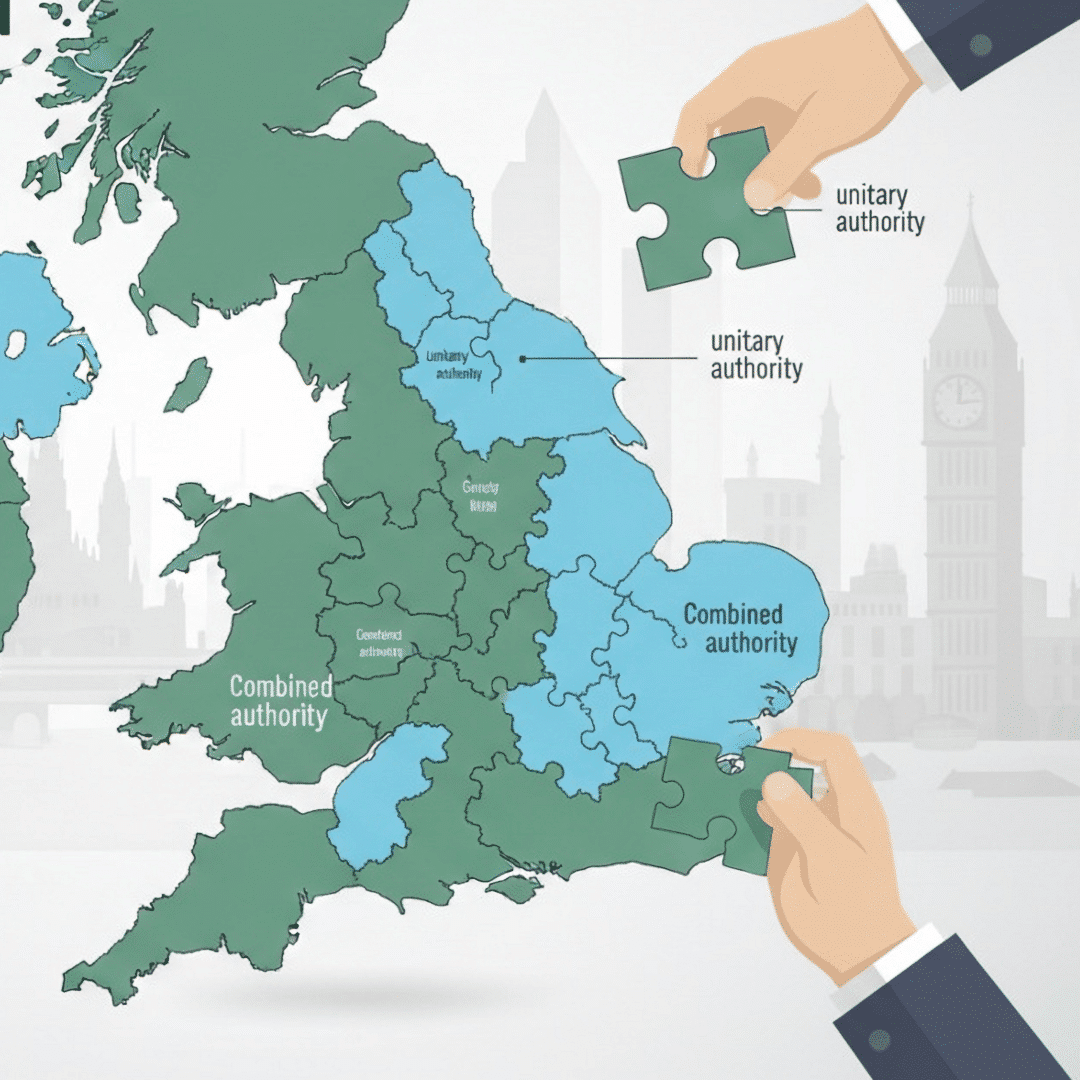
Back in February, Cratus’s Jake Shepherd questioned whether neighbourhood planning, once a key symbol of local empowerment would become an overlooked casualty of England’s devolution and local government reorganisation. This announcement looks to support this direction of travel.
Having previously worked for a local authority directly helping communities with neighbourhood planning, I do feel somewhat conflicted over their future. There is no doubt that Locality, and those working in local authorities who have long championed neighbourhood plans and dedicated a great deal of time and resource into helping communities to exercise their rights to create their own, with over 1500 adopted since their inception.
The ambition of neighbourhood planning is to give communities a chance to come together and define what their communities look and feel like, to create a living document which could be used to determine any planning applications that come forward reflect the places that they live. Plans were designed to give a level of local detail towards development, co-created with local people to help planning officers reach decisions in tandem with the Local Plan.
In theory, they can address community involvement from the outset, and make development easier to be agreed in principle, with appropriate local policies based on local housing needs, allocating appropriate sites, designating heritage assets and by creating design codes to give guidance on how development should look and feel in each designated area. Neighbourhood plans also have the powerful ability to designate valued green spaces and protect them from development.
The reality is that requires it requires a great deal of understanding and patience to take communities on a journey to understand what neighbourhood plans can, and more importantly what they cannot deliver. Planning is complicated, and whilst neighbourhood planning goes some way to simplify it, often those creating neighbourhood plans have misconstrued the process as another vehicle they could use to prohibit development or oppose particular local schemes.
Certainly, the adoption of neighbourhood planning has been largely concentrated in rural, homeowning parished areas across the country. Parished councils are structurally better positioned to create neighbourhood plans, with clearly defined boundaries, existing planning committees and mobilised support who can drive plans forward. Many will continue to participate and self-fund neighbourhood planning.
In contrast, urban and unparished areas face considerable barriers to developing neighbourhood plans. These communities often lack clear boundaries and do not benefit from formal local governance bodies, requiring a neighbourhood forum to be constituted to organize planning efforts or define who the plan should represent. The removal of grand funding will essentially stop neighbourhood forms in their tracks.
Generally, in politics, but especially when devolution is concerned, once you have given something away, it then makes it difficult to then take it back. By removing grant funding, the government may not be formally reversing devolved powers, but they are undermining its viability. This is likely intended to to reduce the number of neighbourhood plans and shifting emphasis back to strategic planning by combined authorities. In doing so, they are by proxy reclaiming control.