

The Advent of Strategies
Its time for the bus analogy as the Government launched two separate but connected strategies, The Homes England Strategic Plan 2025-2030, and the National Plan to End Homelessness. That both are desperately needed is unquestionable with housing completions falling and homelessness and the number of people in temporary accommodation rising.
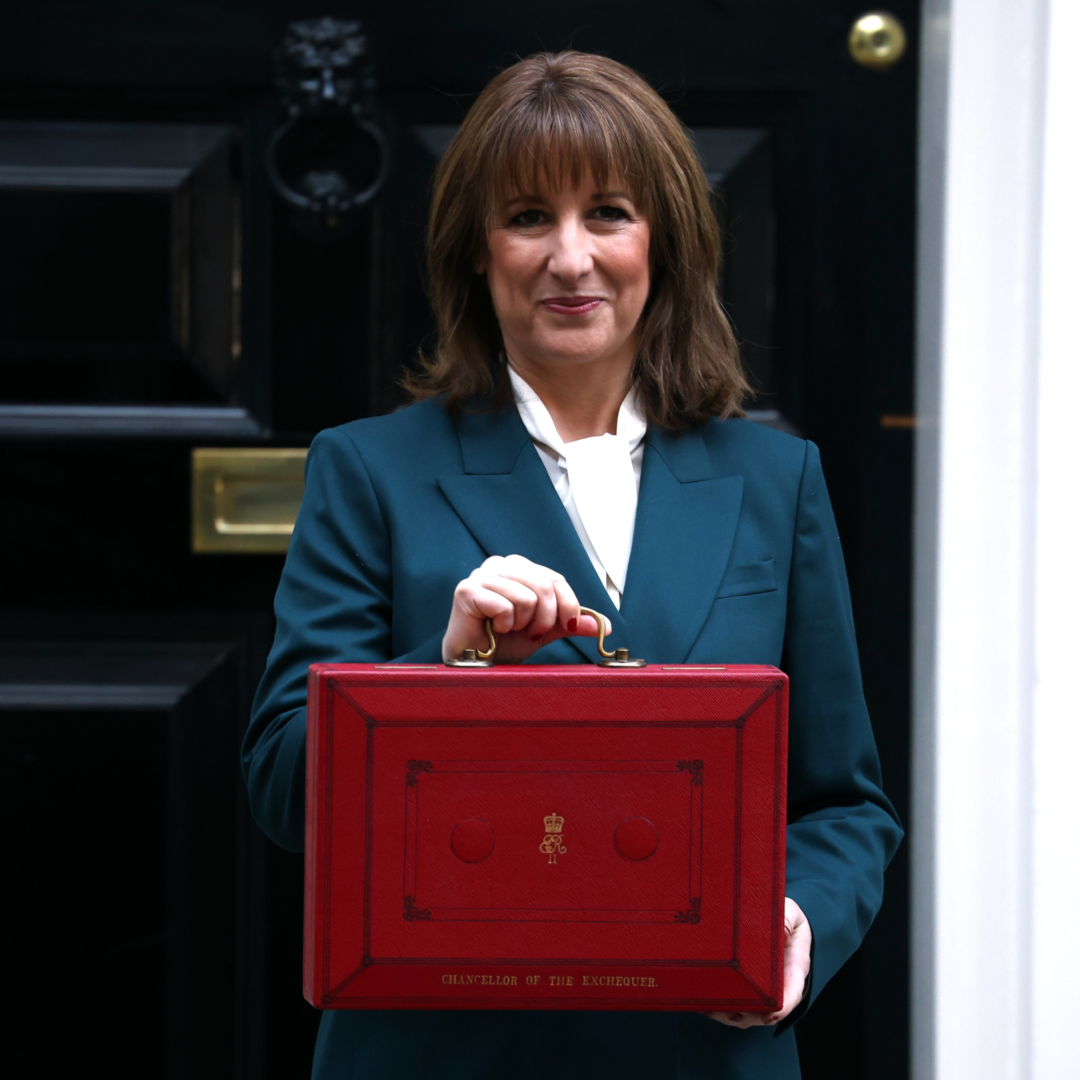
The additional funding for Homes England was announced in the Spending Review and greeted with enthusiasm by housing organisations. £39bn over ten years for affordable housing with the majority for social rented housing was seen as a major win for the sector and for Angela Rayner. The cash is split between Homes England, £27bn, and the Greater London Authority.
Prior to the formal launch Homes England hosted a series of events around the country, I was lucky enough to attend one at the end of November in a sunny Bristol. The plan has six strategic objectives:
- To significantly increase new housing supply and accelerate housing delivery. This objective has more than an eye to the ambitious 1.5 million new homes target. It is hoped that the funding from Government will not just stimulate affordable housing but also act as a catalyst for a, currently moribund, housing market.
- To deliver the biggest increase in social and affordable homes in a generation. I am never quite sure what the definition of a generation is these days, however a ten year spending commitment should certainly shift the dial. For many years, the building of new social housing has been outstripped by the combination of sales and demolitions. The plan aims to fund 280,000 new homes and unlock land to deliver 400,000. The aim is to increase completions to a rate of 80,000 per year, 60% of which would be social rent (48,000). Added to GLA targets this could get within striking distance of Shelter (and everyone else’s) call for 90,000 social rented homes per year.
- Unlock institutional investment for housing and mixed use schemes and deliver financial returns.
- Collaborate with partners and local leaders to enable development and regeneration that boosts local economic growth. These two objectives are assisted by the creation of a National Housing Bank which will be provided with an extra £16bn of capital which is hoped to attract another £50bn of private investment. There is significant support for the new focus on regeneration. The reference to “local leaders” undoubtedly refers to the growing number of regional and sub-regional mayors.
- Foster innovation and create market conditions to support a dynamic, diverse, and sustainable built environment and housing sector.
- Ensure homes are safe, secure, and decent, and residents are safeguarded.
It was clear at the event that Homes England was keen to emphasise its commitment to a diversity of supply including, supported housing, specialist housing, community led, rural housing and investment in council housing. Across the lant pencils are being sharpened (metaphorical ones anyway) as housing associations and councils put the finishing touches to bids for these funds and programmes. The sector knows that if it does not make use of the resources, it may not get its chance again. There is also the worry that the ten year programme might only last for five if an incoming Government is not sympathetic to social housing.
The response to the Homeless Strategy has been less empathetic. It is also backed by a large investment, £3.5bn and ambitious targets, “To halve the number of long-term rough sleepers, end the unlawful use of B&Bs for families and prevent more households from becoming homeless in the first place.” It seeks to join up Government across departments and tiers shaped around a “duty to collaborate.” There is money for more supported housing, high standards of supported housing (something my association has been working on, currently at a small scale with Bristol City Council) and a range of support and preventative services. There has been universal support for the intent and structure of the programme, it appears to be the most comprehensive approach at dealing with homelessness, especially when considered alongside Homes England and GLA development programmes.
The praise for the programme has been qualified. It joins up all departments apart from the DWP. One of the largest drivers of homelessness is the freezing of the Local Housing Allowance – the maximum rent which can be funded by housing benefit. Although it is supposed to track private rents it is frequently frozen, including in the latest budget, leading to private landlords refusing to house people on benefits making it almost impossible in some areas to move people on from hostels and temporary housing. It is both depressing and understandable. In the recent budget the Government was attacked for taxing workers to fund benefits when it removed the two child benefit cap. It will be a jibe they will be incredibly alert to, and probably one that they will not risk again.
Neither of the strategies are perfect, perfection does not exist. As a sector we will need to do everything we can to make them both successful. Our future is bound to the effectiveness of these plans, more importantly there are tens of thousands of people in temporary accommodation and over a million languishing on local waiting lists who are dependent upon us delivering them with housing and hope.