
The Local Government Association proposes cutting itself back. Councils should be asking, “who benefits?”
Written by Peter Fleming.
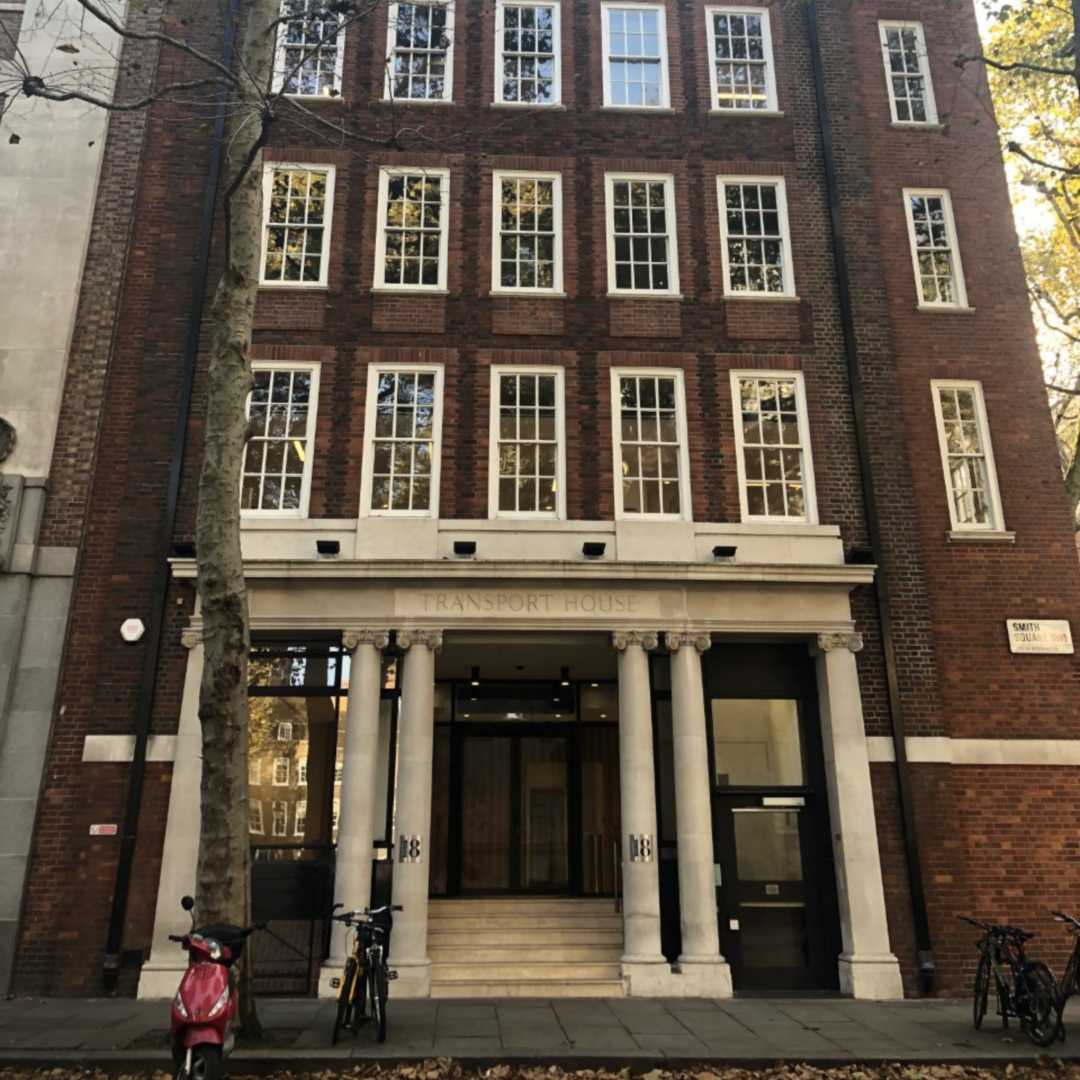
The Local Government Association has this month launched a major restructuring plan to “radically reshape” the organisation. This reshaping will see a significant reduction in the size and scope of the LGA. Not least in terms of the number of employees at Smith Square which is set to fall by 10%. The organisation is also proposing to merge its policy and service experts into a new impact directorate.
The Local Government Association, like councils, is a people organisation, built on the experience of its officers and members. Reorganisation, downgraded roles and potential job losses should concern the whole sector. This is not a neutral efficiency exercise; it is a political and strategic choice that raises questions too few are asking.
Is the LGA being reshaped to serve councils, to preserve the organisation itself, or to survive within constraints set elsewhere? Are the drivers for such change real, or paper tigers? Are alternative options for securing the association’s long-term future even being discussed?
Every restructure reveals what leadership truly values, not in strategy decks, but in what is cut, protected or allowed to disappear. Councils know this language well: transformation, streamlining and new operating models.
Is this to say that the LGA couldn’t and shouldn’t be more efficient? Of course not. However, where costs are proposed to be taken out, and where they are not, speaks volumes.
There is a dangerous assumption that the LGA can remain just as influential, responsive and politically effective, only smaller. That is fantasy. The value of the LGA lies in deep policy expertise, trusted relationships, officer networks and the confidence to challenge government. These rely on experienced people, and once lost, they are hard to replace.
Real challenge costs money. For years, councils have worried that the LGA has become too cautious and too aligned with national priorities. Asking the sector to believe it can do less and still be a strong, independent voice does not stack up. Slim organisations manage risk; they rarely punch up.
The timing is troubling. Councils are financially fragile, leadership capacity is being stripped out, senior figures are burning out and trust in national decision-making is thin. At the moment local government most needs a strong national defender; we are considering hollowing one out.
The real question is not how to make the LGA cheaper, but what councils lose if this goes too far. The cost will not appear in the accounts, but in quieter influence, weaker challenge and diminished collective confidence.
If this is a genuine reset, councils deserve honesty about the trade-offs. If it is retrenchment dressed up as reform, councils should be told that too. Do we want an LGA that manages decline, or one resourced to fight for the future of local government?
There is a possible solution. The LGA in its current form, is effectively two organisations: the LGA itself and the Improvement & Development Agency (IDeA), which receives ringfenced government grant for sector support. Spinning IDeA back out as a standalone body could protect improvement, support and training, while allowing a slimmer LGA to function as a true membership organisation, focused on policy, lobbying and advocacy.
Other observers may have other suggestions, but this solution would protect the independence of the LGA to represent the sector while preserving the improvement role that the government should value.