
From Town Halls to Westminster: Why Business Must Understand Both
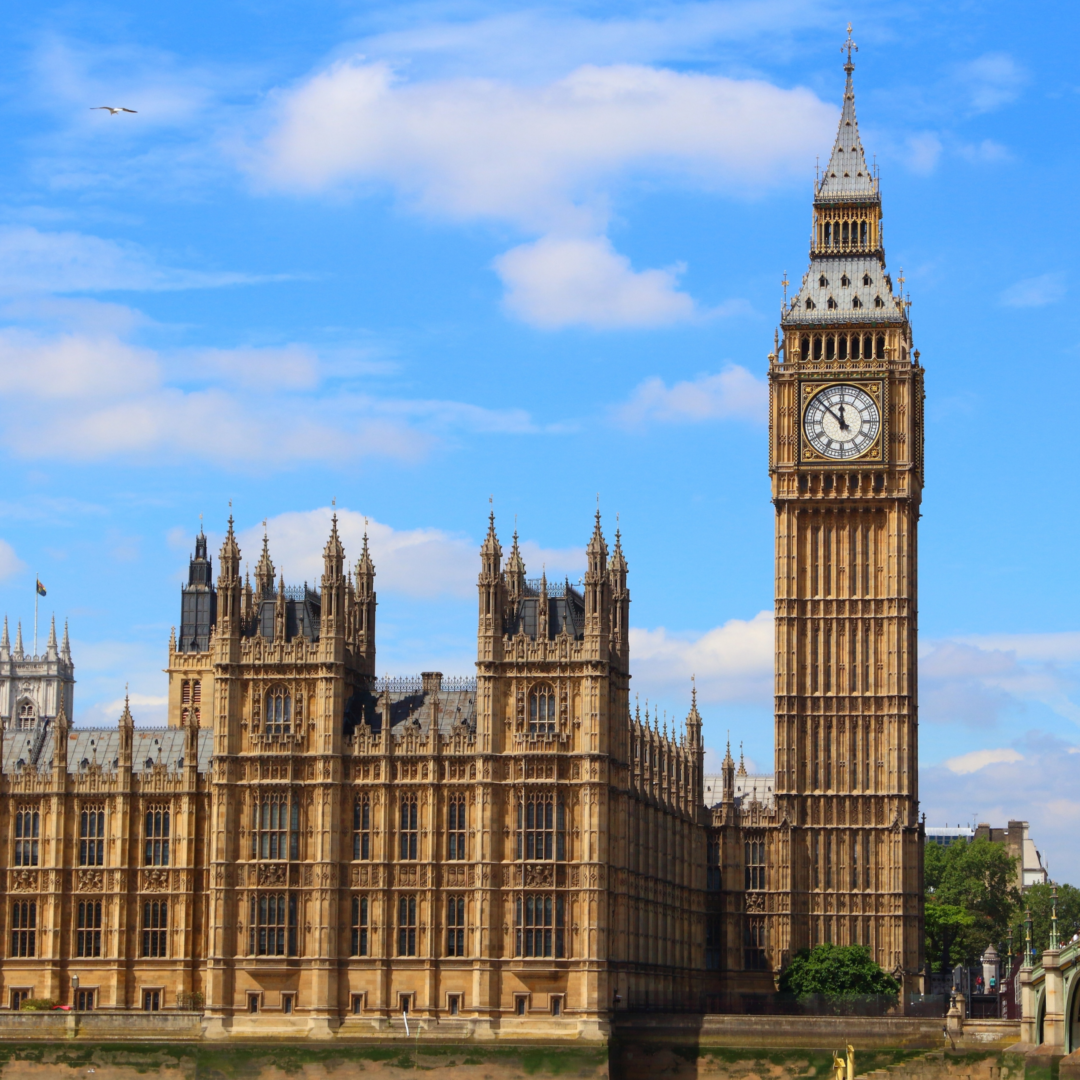
With local elections only weeks away, attention will quickly turn from town halls to Westminster. The results will be scrutinised for signs of momentum, warnings for the Government, clues to the national mood and hints of what may come at the next General Election.
That debate is understandable, but it can also be reductive.
For years, local elections have often been treated as little more than a midterm verdict on the government of the day. Sometimes that is how voters use them. But to see them only through that lens is to miss something more important: local government has real and growing power over the issues that shape people’s daily lives and the conditions in which businesses operate.
From planning and housing to transport, waste collection, adult social care and regeneration, councils already make decisions with direct economic and social consequences. Add in the growing role of combined authorities, metro mayors and devolved institutions, and the picture becomes even more significant.
Over the last thirty years, political power in the UK has become increasingly decentralised. Under New Labour, the creation of the Scottish Parliament, the Welsh Senedd and the Mayor of London marked a clear shift in how the country is governed.
In England, that continued under the Coalition Government through devolution and the expansion of mayoral combined authorities, and now under this Labour Government through local government reorganisation.
The direction of travel is clear: power is being dispersed beyond Westminster, with more decisions being taken closer to communities.
For businesses, that matters. It is no longer enough to look only at Westminster and assume the rest will follow. National government still sets the broader policy framework, controls major spending decisions and establishes the legislative environment. Active local MPs, often seen as community champions, also play an important role. But local leaders and institutions are increasingly responsible for how policy is interpreted, prioritised and delivered in practice.
That creates a more complex engagement landscape. A business might understand the national political conversation well, but still be unsure how to navigate local authorities, combined authorities or regional leadership. Equally, strong local relationships can only go so far without an understanding of the national context shaping funding, reform and political priorities.
The challenge is made harder by the fact that most people do not engage with politics every day. Awareness of local government is often lower still. Many businesses are in the same position: they know these institutions matter, but are less certain about where influence sits, how decisions are made, and how local and national politics connect.
As we head into these local elections, the real question is not simply what the results mean for Westminster. It is also what they tell us about the future shape of power, and how organisations should respond to it.
For businesses, local and national engagement can no longer be treated separately.
The most effective approach is one that understands both and how they work together.
That is why the link between the two matters so much, and why agencies such as Cratus, with expertise across both, are becoming increasingly valuable in a changing political landscape.