
Hats, mayors and the weight of expectation
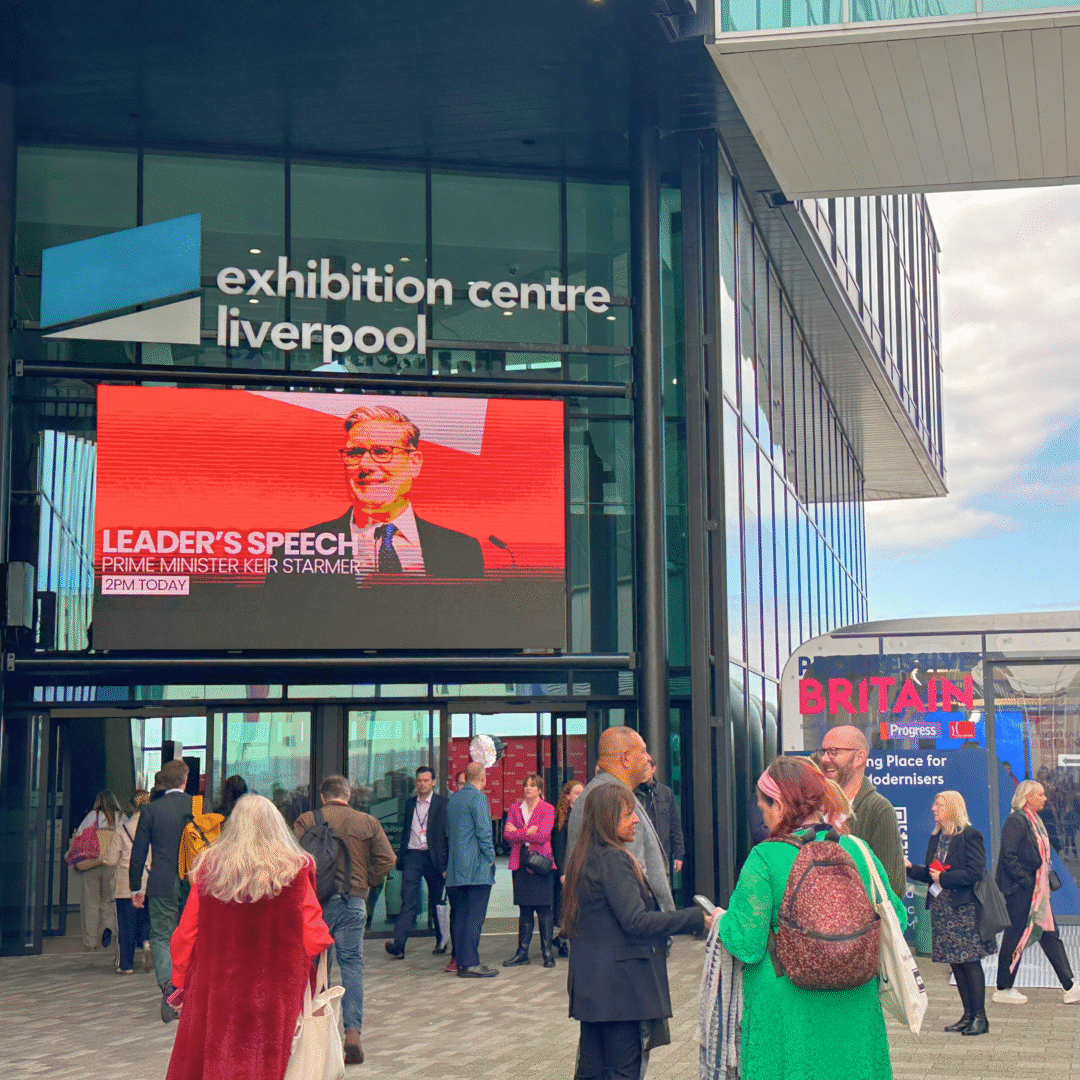
This week saw the much-anticipated Labour Party Conference return to Liverpool. Politicians and activists arrived with smiles, applause lines, and photo opportunities. Still, the backdrop was hard to ignore: sinking polls, restless voters, and Nigel Farage’s Reform UK snapping at their heels.
For Prime Minister Sir Keir Starmer and his team, this was a chance to push back against Reform UK’s narrative that Britain is broken, show how they’ll deliver national renewal, and begin to answer the weight of expectation now pressing on the government.
From the speeches, fringes and conversations in corridors, three themes stood out above the rest – housing, devolution and the shadow of Reform.
Build, Baby, Build
The headline announcement came from Steve Reed, the new Secretary of State for Housing, Communities and Local Government. He reaffirmed Labour’s flagship target of 1.5 million new homes by the end of this Parliament and unveiled the launch of a new generation of new towns. Twelve sites have been identified, with three expected to break ground before the next election.
As someone from arguably the UK’s most successful new town, Milton Keynes, this was an exciting moment – especially with Milton Keynes 2.0 on the list. The pledge that 40% of homes will be affordable, including 20% for social rent, is a significant step given the depth of the housing crisis.
And then there was the merch. Delegates donned ‘Build, Baby, Build’ bucket hats and tote bags, pushed by the Labour YIMBY movement. Queues even formed to have them signed by Reed himself. Light-hearted as it seemed, it reflected a serious point: Labour is determined to put housing at the centre of its renewal story. The real test will be translating that energy into delivery at pace and scale.
Power to the regions
Alongside housing, devolution ran through the week’s discussion and debate. Politicians made clear that shifting power from Whitehall to the regions is central to Labour’s vision. Labour’s mayors were everywhere – fronting panels, leading fringes and pressing the case for deeper powers.
One mayor in particular stood out: Andy Burnham. His high-profile presence, entourage and reluctance to engage with the press further fuelled speculation about leadership ambitions. By contrast, Liverpool City Region’s Mayor Steve Rotheram struck a loyal tone, calling for Starmer to remain Prime Minister through the next election and beyond.
This underlines both the opportunity and the challenge of Labour’s devolution push. Strong regional leaders can drive delivery and legitimacy, but they also create alternative centres of power. For those working with government, engaging effectively with mayors will be just as important as navigating Whitehall.
Reform in the room
Reform UK may not have been in Liverpool, but their shadow loomed large. Nigel Farage’s name came up frequently, with Starmer framing the political choice as ‘decency versus division’ and even saying that Farage doesn’t like Britain.
Yet there are risks. The constant references led Farage to ask why Labour was obsessed with him (I’m still half-expecting a TikTok of him singing Mariah Carey’s Obsessed). Too much focus risks elevating Reform UK; too little risks letting them define the ‘Britain is broken’ narrative. With polls now showing Labour plummeting and Reform UK ahead, this is a pivotal moment for Labour to hold its momentum and prove it can deliver renewal.
The weight of expectation
Liverpool showed a party eager to project optimism and delivery, but still carrying the burden of expectation. Housing has momentum. Devolution is gathering pace. But voter resistance, fiscal limits and the rise of Reform show just how big the challenge remains.
The hats, speeches and photo opportunities made for strong optics. What matters now is delivery and telling a positive story about Britain’s future. Only then will Labour meet the expectations that were so evident in Liverpool.