

Liberal Democrats set out their stall against Reform
The Liberal Democrats gathered in Bournemouth this week for their annual Autumn Conference, the biggest event in the Party’s calendar. This was the Party’s second Autumn Conference since the 2024 General Election, and therefore the novelty of having 72 MPs has not totally worn off with Liberal Democrat activists.
In typical fashion for the Lib Dems, their leader Ed Davey arrived leading an Isle of Wight marching band with several of his MPs trailing behind him on the drums. This follows his dramatic arrival at the 2024 conference on a jet ski. While some commentators have questioned the effectiveness of such stunts, the Lib Dem hierarchy hopes that they inject positivity and contrast favourably with what they see as the more divisive and doom-laden approach of competitor parties.
There was, however, a significant change from the Lib Dems in rhetoric at this year’s conference. The Party is speaking more openly about its ambitions to continue growing in Parliament, including to overtake the Conservatives at the next General Election. Most notably, though, Davey and others are setting out their stall as the ideological opposition to Reform UK. This started with the Conference Rally on Saturday, which ended looking a lot like the Last Night of the Proms. Activists in the auditorium took to their feet, waving Union flags and singing Land of Hope and Glory at the end of a speech by former Party Leader Tim Farron, which focused on reclaiming the flag from the Right.
Unusually, the conference was largely free from any major disagreements in policy among delegates. While previous conferences have seen fiery debates over nuclear weapons and housebuilding policy, the most substantial divide this time was over the Party’s willingness to support large-scale nuclear power. Ultimately, the supporters of new nuclear power lost out, and the Party maintained its scepticism over the cost of nuclear power plants and the disposal of waste.
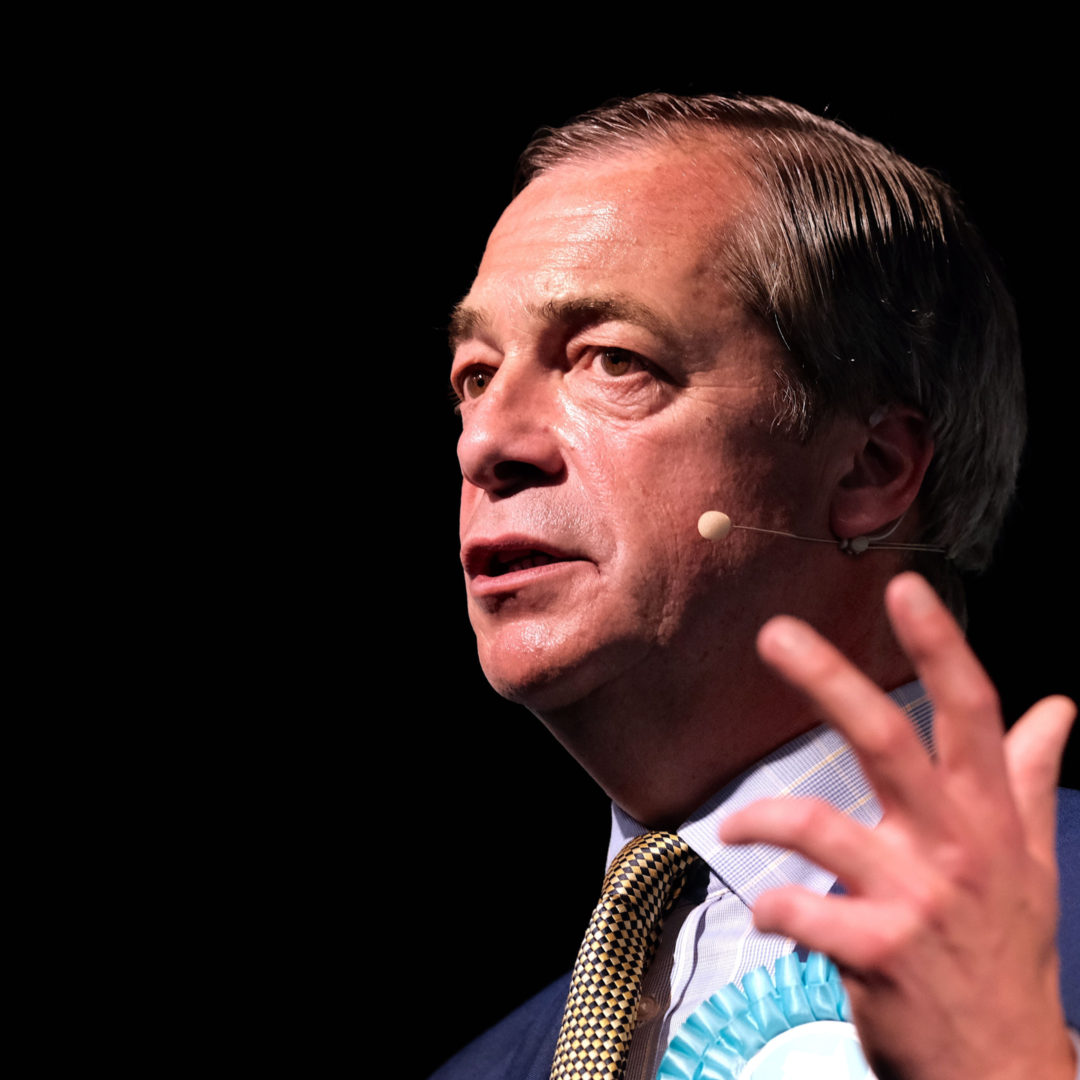
The conference ended with Ed Davey’s leader’s speech. Davey majored on his opposition to both Donald Trump and Nigel Farage, with a central theme of his speech being that Farage sought to turn the UK into a country akin to Trump’s America. There were also a number of criticisms from the Party leadership over the conference around Elon Musk’s incendiary comments on immigration in the UK and the impact of his role at X has in relation to the Online Safety Bill. This rounded off a conference which had been packed full of references to Reform and training on how the party intends to win the battle against Farage at the ballot box.
The Liberal Democrats clearly intend to be a serious force in British politics moving forward, and recent polling and local election results suggest that they are well-placed to hold onto or even increase their total of 72 seats, located mostly in the South of England, when the next General Election comes.
However, with the next General Election still likely to be at least three years away, Davey will be hoping that position holds, or that further decline for the Conservatives or Labour will present opportunities to grow larger still. To that end, Liberal Democrats are getting their candidates in place early with candidate selections for target seats at the next General Election already underway. In addition, the Party is likely to focus its campaigning in the coming months on attempting to win the elected Mayoral positions in Hampshire and Sussex, in which the Party is fielding experienced candidates in Martin Tod and Ben Dempsey, respectively.