Delivering sustainable development with the support of meaningful engagement
In evidence to the House of Lords Built Environment Committee in September, the Minister for Housing and Planning, the Rt Hon Matthew Pennycook MP, stated that he has ‘always found the YIMY/NIMBY debate quite reductive’. A view I very much share. As our report, Taking communities and politicians with us to deliver housing growth, notes, ‘some narratives seem to dismiss anyone raising concerns as NIMBYs, but it is legitimate for people to raise concerns and objections’.
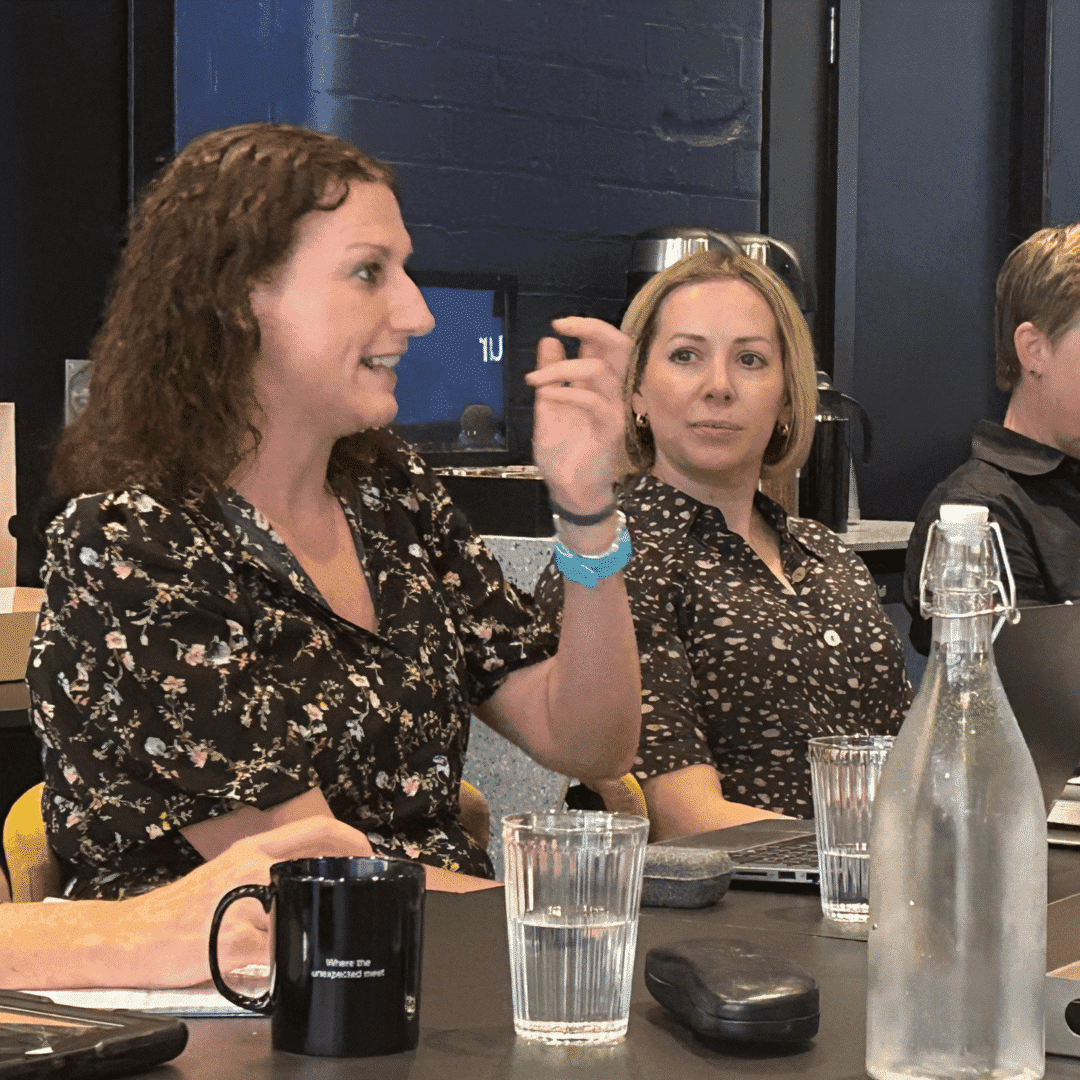
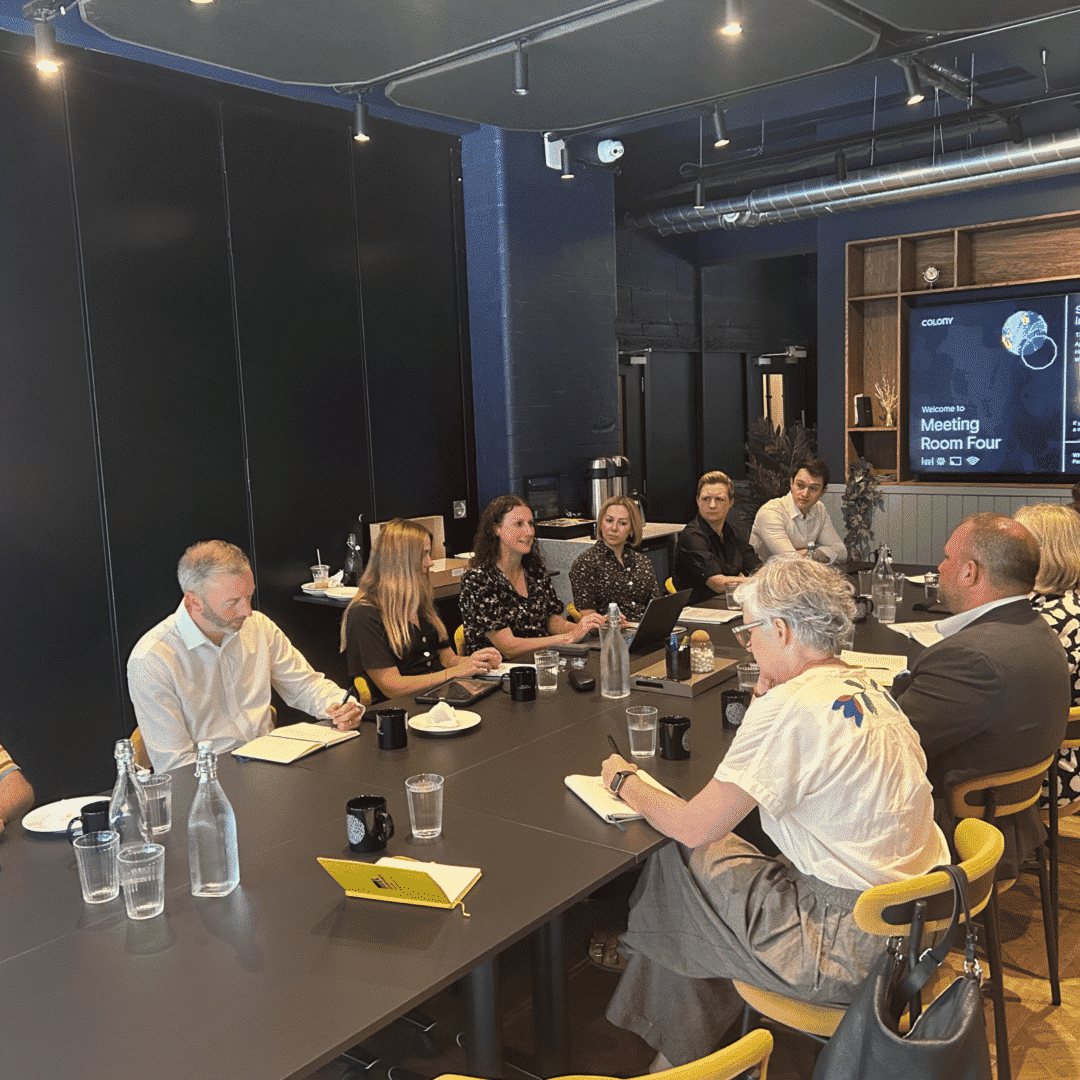
The report reflects the discussion at a roundtable Cratus Group and Town Legal hosted in the summer. The event was an opportunity for attendees to reflect on the fact that while there may be a national pro-growth agenda, this was not always being reflected in local planning decisions. This challenge is perhaps even more relevant as one of the messages from the Minister at Labour party conference was that the government was not going to make further substantial changes to planning legislation or policy – the focus was now shifting to delivery. And delivery relies heavily on local planning authorities and the private sector.
Discussion at the roundtable acknowledged that community engagement is not easy. This includes on controversial schemes but also where communities might have been consulted on proposals for a site many times with nothing yet having been progressed. I think many in the sector will acknowledge there continues to be a lack of trust between communities and developers. Research by Social Value Portal in 2025 suggested that trust had improved since a 2019 study by Grosvenor that found that just 2% of people surveyed said they trusted developers and only 7% trusted local authorities. The updated survey indicated that trust in developers and councils rose to 16%, although it also noted that trust ‘remains tenuous and uneven’.
To continue to build trust community engagement must be seen as more than an exercise in hearing and managing objections. Rather engagement should be approached as an opportunity to build relationships, hear views, where possible seek to address concerns and improve schemes, and build support. Dismissing all objections or concerns raised as being because people are NIMBYs is indeed reductive. And unhelpful. Not least because while some applicants might only be interested in securing planning consent, for many developers whose application is successful, they will then need to be operating within that community for years if not decades to come.
Where possible, engagement with communities needs to happen early, so that the need for the scheme can be explained, and there must be honesty about what is possible. Effort also needs to be put into engaging with all parts of the community to understand their needs and make them feel heard and understood. A strong theme from the roundtable was that the council can play that convening role, but that that takes strong leadership and, occasionally, bravery from elected members. As the report notes, ‘if we believe that generally people want what is right and what is fair, local authorities are essential in getting messages across’. And both officers and members have a role in that.
In his evidence, which was given in an inquiry relates to the Government’s new towns programme, the Minister went on to say:
‘You can break down a degree of NIMBYism by making clear that we can do very good development and we can plan positively for it. This is a real test case to show that that can work.’
I think that is an opportunity for the new towns programme. But it needs to be the case for all development. The new homes delivered through that programme will be a drop in the ocean compared to the new homes being delivered annually through other routes. If we want to take communities and politicians along with us to secure growth work will be needed to secure local support. This will require meaningful engagement during the application process, but also as schemes are built out to make sure what is delivered is high quality.
At Cratus, we help organisations build the political and community partnerships needed to turn good proposals into deliverable places. If you are planning a major development or regeneration programme, or delivering one where ongoing engagement is essential, I would welcome a conversation about how to bring people with you from the outset and throughout.
Want to explore this further? Download our Communities Report for more insights into building trust, engaging communities and securing support for development.
Download the report here: Communities Roundtable Insights – Cratus Group