Short shelf life?
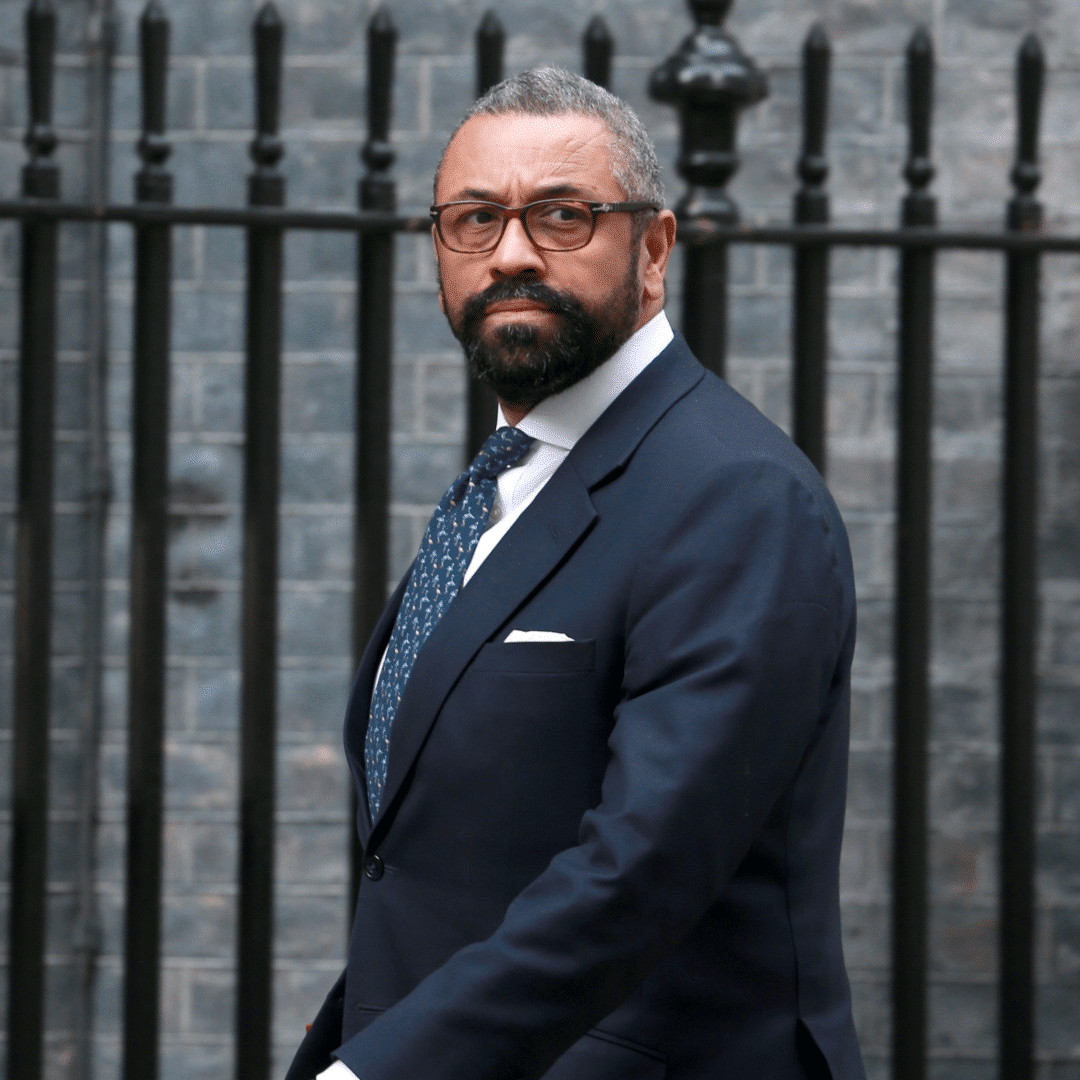
The Conservatives now have their candidate, and early commentary focusses on the strength of the win (decisive) and the head start it gives him (compelling?). Both are real, but in London’s 2028 race most of the field has yet to be selected. For anyone with a stake in how the capital plans, builds and invests, the more useful question is not how strong Cleverly looks today, but how much of that strength survives the next eighteen months.
Being first gives a candidate airtime and space to frame the argument, but Cleverly is not the first challenger in the field, with Reform UK’s Laila Cunningham selected at the start of 2026. She has spent the year campaigning on crime, policing and scrapping ULEZ, and some polling has put Reform UK ahead of the Conservatives in London.
Voters do not keep score of who declared first; what they will notice is the contest in front of them in the months before polling day. Early selections can just as easily become early targets, where a long campaign means more scrutiny, more interviews, more opportunities to be pinned down on national party policy, and more time for opponents to define the candidate before they define themself. Labour’s response to the selection, attacking his ministerial record within hours, suggests that process has already begun.
Well, what about everyone else?
A Reform presence cuts both ways, and that’s before the Greens, Liberal Democrats and other smaller left, right and centre political parties and candidates get their moment. Will Count Binface stand or keep his powder dry for by-elections? Some of these may be spoiler votes, but the Greens, while a little in the doldrums of late, might challenge the Labour Party on the left.
High profile insurgent campaigns focused on crime and the cost of living draw attention to the Mayor’s record and national government policy, and a crowded challenger field may make Labour’s job harder and complicate Conservative support in parts of London.
On your marks…
The biggest unknown is who will stand for the Labour Party. Sadiq Khan has not said whether he will seek a fourth term and if he runs, the race becomes a referendum on twelve years of his mayoralty. If he steps aside, Labour will run a fresh candidate with no mayoral record of their own to defend, and the challengers’ early messaging, much of it built around Khan himself, will need to be rebuilt. Shades of Harris and Biden much?
Until Labour chooses, Cleverly’s head start remains conditional: his real opponent, and therefore the real shape of the debate, has not yet been decided.
What Cleverly is actually saying
Cleverly is focussing on cutting crime, building homes and getting businesses to invest, with his first open letter as candidate leading on crime and police numbers.
On housing, can we read too much into his year as Shadow Housing Secretary? His dismissal of the Government’s 1.5 million homes target as unrealistic sits alongside an argument that affordable housing requirements had been set too high to be deliverable. The thread running through this was the burden placed on delivery, from abolishing stamp duty on main homes, to the Building Safety Regulator and the additional requirements on landlords under the Renters’ Rights Act. His claim as a mayoral candidate that tax and regulation add around £100,000 to the cost of a London new build continues that argument, alongside a pledge to review every cost City Hall places on business.
His proposed rewrite of the London Plan is also an opportunity to put his preference for mid – rise, mansion block style density over towers into practice, an approach he made explicit at a Centre for London conference earlier this year.
Good news, bad news, so so news?
There is plenty of messaging here that plenty of London local authority leaders would agree with, and reasons for reassurance in the industry. His supply first message frames the problem as too little building of every tenure, and he has been explicit that private sector involvement in housebuilding is essential.
His preference for mid – rise, high density neighbourhoods offers a route to more homes that may face less local opposition than tall buildings, but while that is good news for some developments and communities, there is an impact on numbers.
Do we need another plan rewrite? There is plenty of unhappiness across the industry with the current draft, so maybe not such a bad idea, but, but, but it would mean further delay and uncertainty for schemes and land deals planned around the current framework.
Lower affordable housing requirements may help viability, but the lowering would be contested by some boroughs, housing deliverers and campaigners, and could make consents more politically fraught rather than less. Questioning the role of building standards in slowing delivery will be welcomed by some, but building safety remains a reputational and political issue, while his support for his party’s opposition to the 2050 net zero target sits uneasily with investors and occupiers whose own commitments depend on low carbon buildings.
A lot of this (stamp duty, building regulations and much of the tax burden behind that £100,000 figure) sits with Westminster. A mayor can change the London Plan but he cannot abolish stamp duty, although a useful stick with which to beat the Government is no bad thing politically.
The Conservative selection has given the race another fixed point, but the sector would be wise to treat today’s front runner narratives as a starting position rather than a forecast. Let’s throw another cliché into a mix and say that this has been the year of ‘a week is a long time in politics’ and it looks like that is set to continue.