

How do we make more room at the Inn?
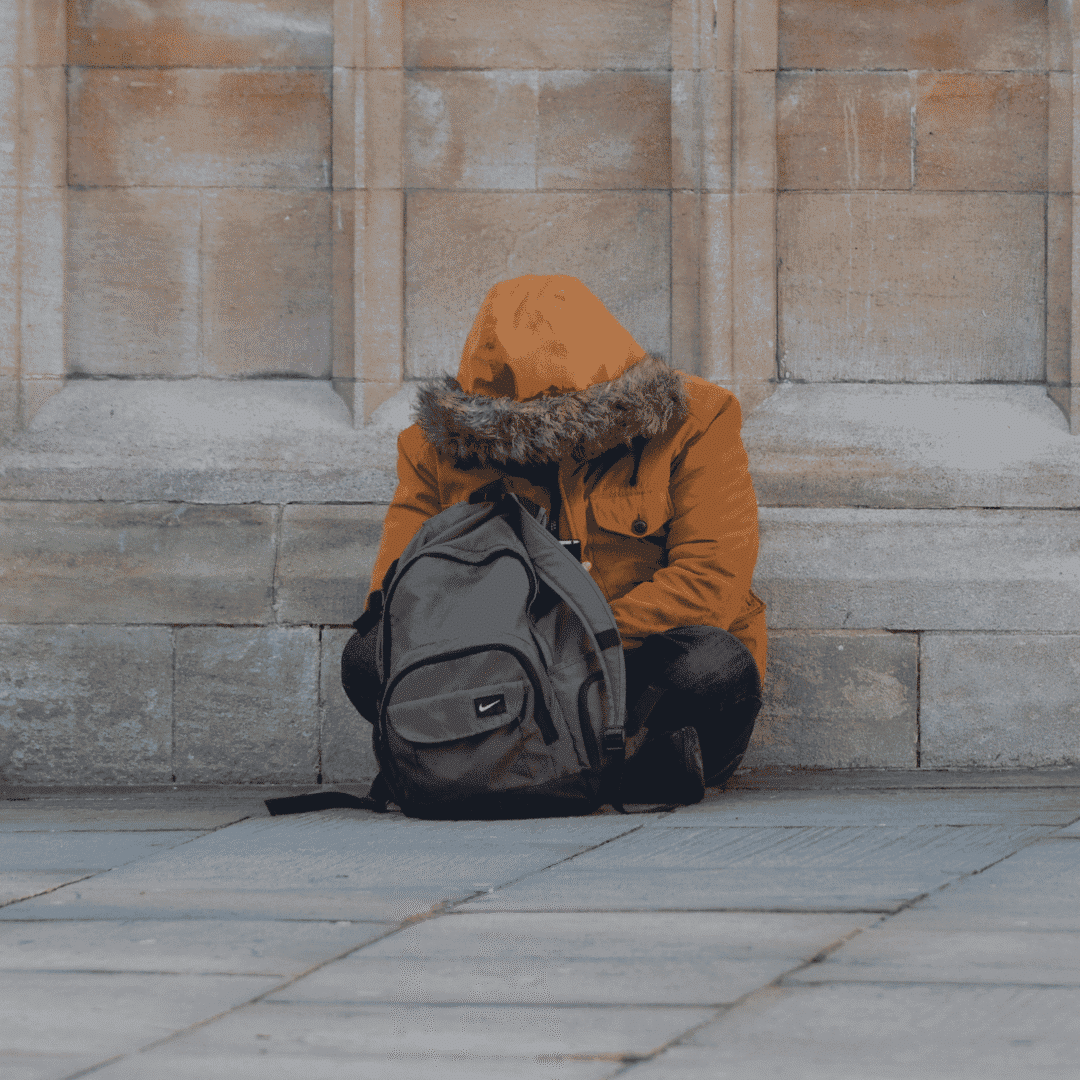
Andy Burnham has made an ambitious pledge (in Yes Prime Minister speak ‘brave’) to get everyone off the streets by Christmas. The choice of Christmas as his target date plays into his Catholic upbringing and the focus on rough sleeping (the most visible form of homelessness) also reflects the work he pioneered in Greater Manchester.
His critics have commented that his “A Bed Every Night” did not irradicate rough sleeping in Manchester. It is fairer to say that the problem of trying to solve homelessness in one conurbation and offering a better service than other areas acts as a magnet for people desperate for help. Even in Bristol we had those who criticise homelessness services for attracting people from across the region, particularly from poorly served rural areas, to take advantage of them. It is a completely rational decision by people suffering from homelessness and alienation to move to places where they are more likely to be helped. The benefit of a national initiative is that it can reduce this migration of people if it is successful in providing services across the country.
Much has been made of the ‘Everyone In’ approach during COVID which saw empty hotels taken over and used to provide accommodation for people living on the streets. The accepted view is that this was incredibly successful and the provision of stability in those hotel rooms meant that many people used that security to address issues of addiction and mental health. However, only five years later rough sleeping is at an all time high, approaching 5,000 people. To make things even more difficult there is no pandemic emptying hotels of visitors (although some may become available as hotel use for asylum seekers reduces).
A better precedent for the new programme is the Rough Sleepers Initiative (RSI). The RSI was launched by the Conservative Government in 1990, then targeted on London with some success. Under the Labour Government the programme was turbo boosted under the leadership of ‘Homelessness Tsar’ Louise Casey (I wonder what happened to her?). Far more proactive outreach was implemented, and a number of direct access homelessness shelters were developed across the country to provide temporary respite from the streets. There was a far more holistic range of services across a wide range of agencies and the provision of resettlement support to help people move through the hostel services and into permanent housing. The programme ended in 1999, probably too soon, however it did have a level of success. Over the last 15 years reforms of funding have reduced both hostel beds and, in particular, resettlement provision. Night shelters closed during COVID and not all of them reopened. For the Government to meet this target one would expect more night and night/day shelters to open to create the places to move people from the streets.
The Prime Minister accepts not everyone will accept the offers of help. I remember concerns raised with the Council about a rough sleeper in one of the wealthier areas of Bristol. He was well supported by local people, but they wanted to know why the Council was not doing more to find him somewhere to live. It transpired that he had been allocated a council flat but that he felt so claustrophobic and lonely in it that he ‘preferred’ to live on the streets. Homelessness is not a simple issue. The academic evaluation of the RSI noted that, “The problem was not a shortage of accommodation in some areas but lack of support for former rough sleepers.”
Helping people off the street will be an enormous task, morally it is the right thing to do, however keeping people off the streets is a much bigger one requiring a flexible range of support services as well as a massive growth in social housing. Andy Burnham knows this and his history of support for and implementation of Housing First, in Greater Manchester demonstrates this. As he has said when launching the pledge, that people living on the streets, “can often cost more to the state because people can be in and out of A&E, and in and out of hospital beds, and sometimes in contact with the police.”
Getting people off the streets is only the start, however it has the potential to create a virtuous circle of spending public money to solve a problem rather than the consequences of failing to do so.