
What do Thames Water and AI have in common?
This is an odd question that I found myself mulling over on a rainy cycle ride home. I was feeling worried about use of AI and my job security, angry that there was still (not rain induced) water pouring down my street a week after Thames Water acknowledged the issue. And inspired by spending the day with my colleagues Sarah and Mona where we discussed the craft of writing.
The link, I realised, is not the services themselves but the choices being made around it: who controls something we increasingly depend on, who benefits from it, and who is left to deal with the consequences when long-term responsibility loses out to short-term gain.
It is a bold statement to make, but I will make it nonetheless, Thames Water are the real world baddies. Individuals have profited hugely from providing a critically important service. The reason the company has historically made such huge profits is by not investing in the upgrades needed to keep the service running in the future (today). It’s a classic ‘a future me problem’ attitude that has left customers footing the bill.
The leak on my street is a small example of a much bigger problem. Leave maintenance long enough and the eventual repair becomes more disruptive, more expensive and harder to avoid. The people who made the decision to delay may be long gone by then, but the people relying on the service are still standing in the water.
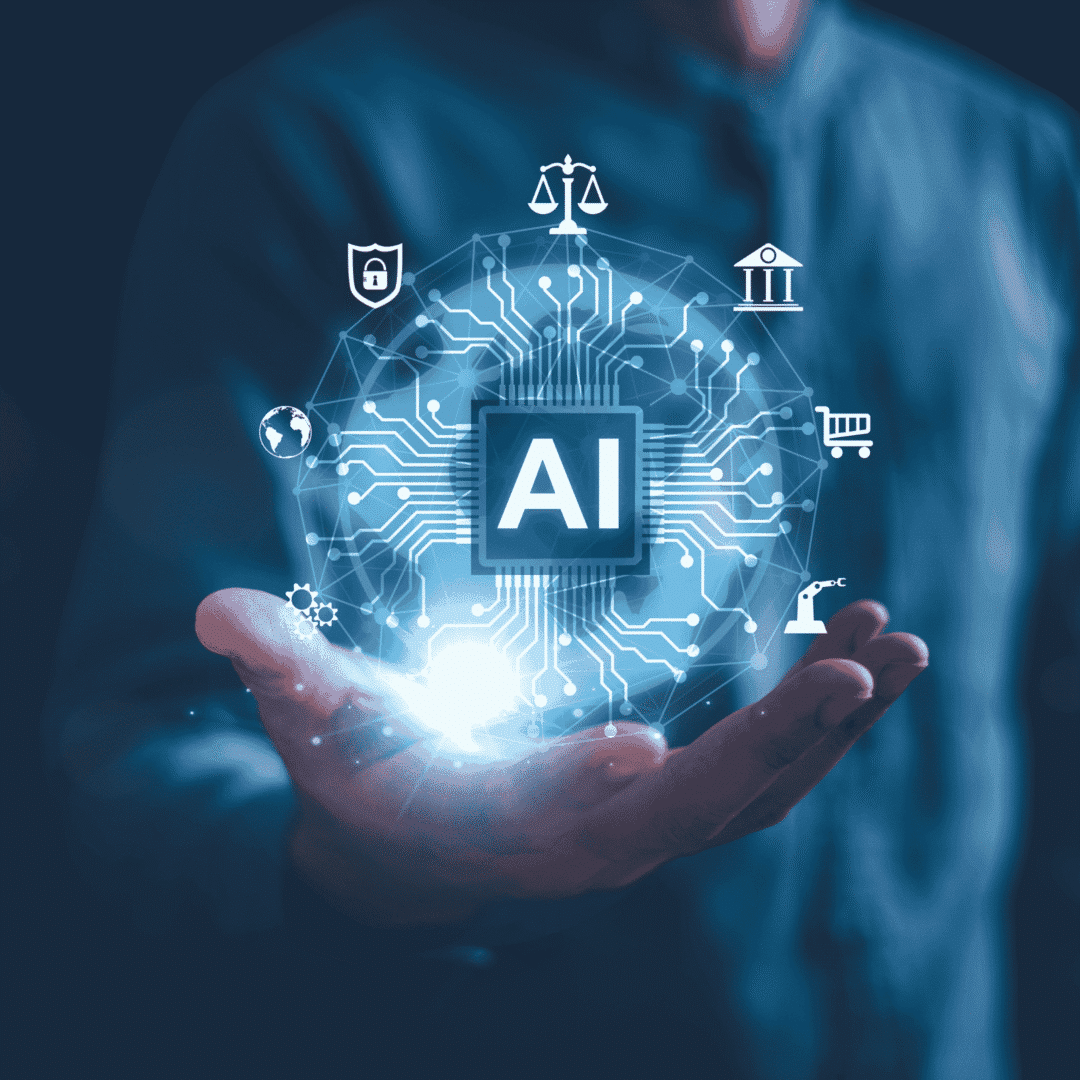
Now lets take a look at AI, a new shiny tool that has found its way into almost every home and business in the UK, and something many of us now rely on for day to day functioning. Kind of in the same way running water came to homes between 1900 and 1960, it is quickly moving from novelty to infrastructure. We are seeing data centers pop up all over the country to service the ever growing and mysterious use of AI. A recent FoI request to the government found that they do not know what the new data centers will be used for or fully understand the environmental impact. That raises the same uncomfortable questions: who is planning for the long term, who is responsible for the consequences, and who will be expected to pay when the answers arrive too late? This is all very worrying, not only to residents who are directly impacted but to onlookers, like me, who are wondering where does this all end?
Writing, is a dying art. As a communications consultant it pains me to say it. However there is hope. Writing is not just the final collection of words on a page. It is the thinking that happens before them: deciding what matters, understanding who you are talking to, noticing what does not make sense and finding the one line that makes somebody stop. Businesses are using AI to talk to humans (customers) and it is not working. People switch off, because the language has the same pattern and tone. For everything. Where is the art and craft. Speeding. Things. Up.
Or, slowing, them, down.
The irony is that language produced to save time can create more work. A customer has to read it twice to work out what it means. A colleague has to rewrite it so it sounds like a person. A business sends more words but says less. Efficiency for the person pressing generate can become friction for everybody receiving it.
AI is taking away from us a skill and power that everyday people may need in the future, similar to how Thames Water have taken away our ability to influence and challenge the delivery of a critical service. The danger is not simply that people use AI to write. It is that, over time, we become less confident without it: less willing to research for ourselves, test an argument, challenge what we are told or find the words to make somebody listen. They are both costing day to day people money and making a handful of people, somewhere, very rich. Those people won’t be sat at home worried that we have a generation who cannot write, research or critically think without using AI, nor will they be worried about people unable to afford their water bills.
We need to learn from mistakes we have made across industries, and consider what skills, opportunities and impact any kind of business that provides a critical service has on the future.