

Stop scrolling when you see a politician.
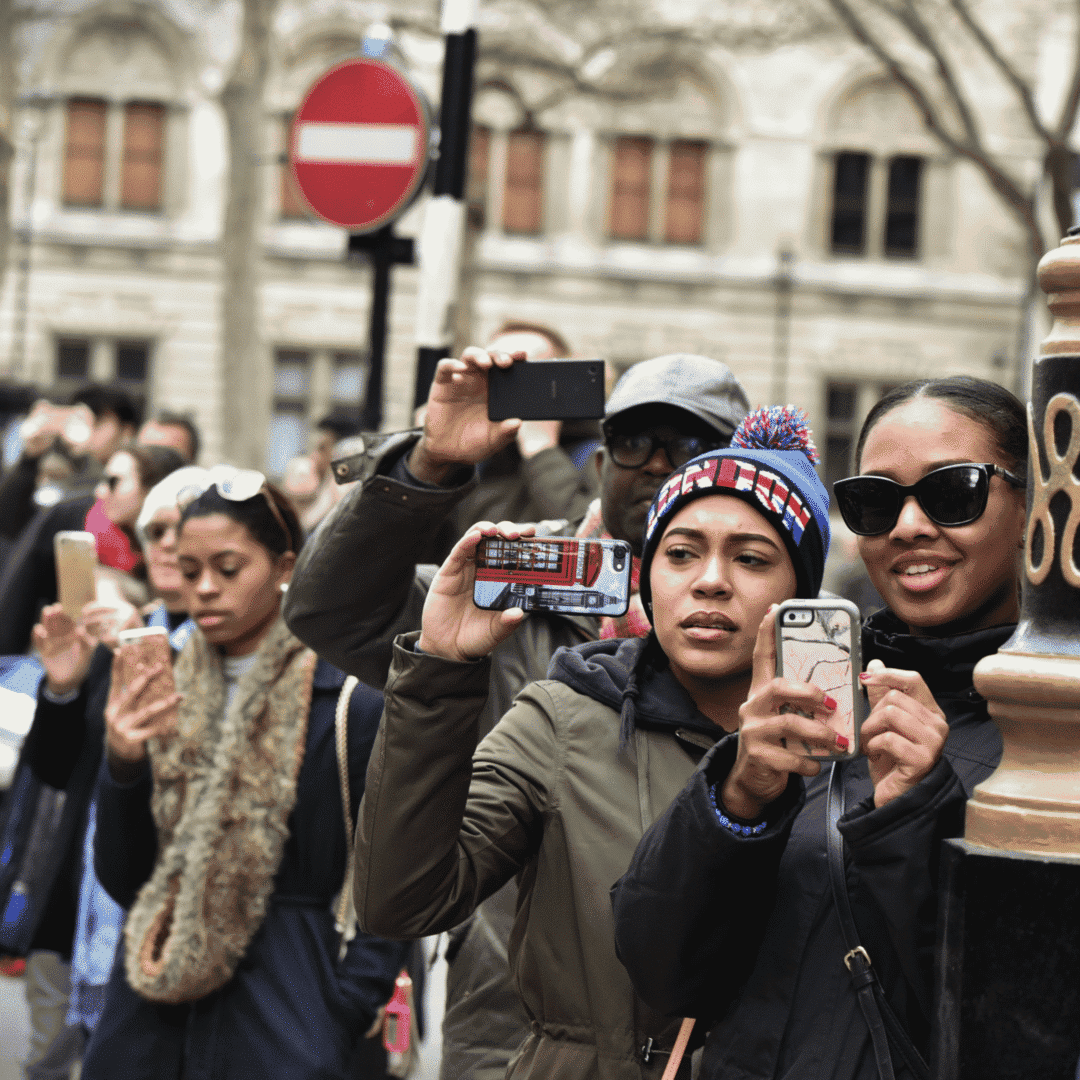
Since Andy Burnham became Prime Minister in July, there has been renewed discussion about the role of social media in politics. Instagram and TikTok have become prominent parts of his communication strategy. His team has used everything from videos about homelessness and social care to content involving pubs, celebrities and online creators. The underlying strategy appears to be straightforward: communicate serious political ideas in formats that feel native to the platforms on which people increasingly spend their time. With short-form videos, collaborations and informal content prompting some commentators to ask whether Britain now has its first “TikTok Prime Minister”.
But is social media and politics a new combination? I would say it is the latest stage in a gradual evolution of political communication, in which a politician’s charisma, personality and presentation have become increasingly important alongside policies and speeches. From televised debates and recorded parliamentary speeches to campaign websites, Facebook, Twitter and now TikTok, each new medium has given politicians another way to communicate directly with the public, and another opportunity to shape their public image. Early forms of social media like Facebook and Twitter (now X, of course) have been important stages for Barack Obama and Donald Trump in their presidential election campaigns in 2008 and 2016, and now, short-form videos have taken the stage, as seen in Zohran Mamdani’s New York City mayoral election campaign in 2025, and Andy Burnham’s campaigns in 2026.
As we see an increasing number of parliamentarians appearing on Instagram or Tik Tok, showcasing their casework wins, parliament speeches, surgery photos, events, or their regular day in Westminster, questions arise whether they are spending their time and budget appropriately. Critics say that to create the perfect video, politicians and their teams are spending excessive time re-taking and editing the videos rather than replying to constituents’ emails, preparing for speeches, and going to meetings. This argument has its merit of reminding politicians that apart from glamourising themselves online, their fundamental job as elected representatives is helping constituents navigate problems in their communities, representing them in the government, and contributing to decision-making.
But a capable politician should work out how to allocate their time and budget between casework, speech, research, communications and other issues. After all, politicians want to establish a positive image in front of their voters, colleagues and media. If an increasing proportion of those audiences now receive information through social media, then politician’s profile should be there. For many people, watching a 30-second clip of their MP raising an issue they care about in Parliament is far more accessible than reading pages of parliamentary documents or searching through hours of debate footage. Showing casework, parliamentary interventions and constituency events can help constituents understand what their representatives actually do in the back box. It may be particularly valuable for younger citizens who are unlikely to seek out political information through traditional media.
Yet, as part of the audience ourselves, we need to bear in mind that politicians can control the clips they upload, the achievement they celebrate, and the narratives they are using. Therefore, we still need to dig behind the eye-catching announcement, explore what’s not being posted, read the full scenario, and figure out what the implications are.
Like many technologies, social media is neither inherently beneficial nor inherently harmful to politics. What matters is how politicians adapt to it and what political culture develops around it. For Andy Burnham’s case, while recognising the success social media has brought to recent campaigns, we need to examine if his social media approach holds up in the long term. Nevertheless, we need to make sure we can maximise the benefit social media brings to politics: direct communications, making political institutions more transparent, and encouraging younger generations to participate in politics. To make this happen, we need to make sure that social media supplements, rather than replaces the work politicians are elected to do: constituency work, serious debates, challenging current policies, and developing new ones.