To GE or not to GE?
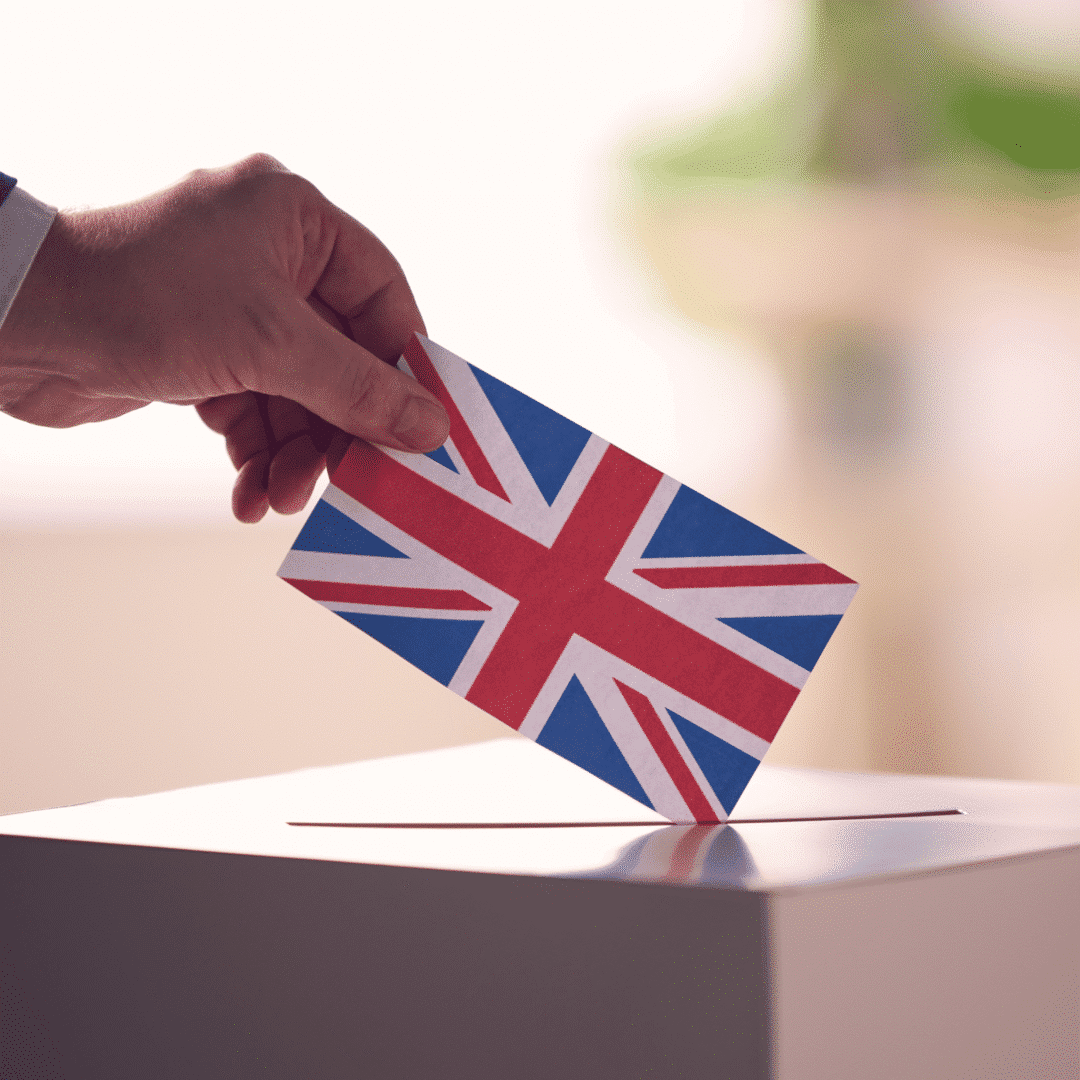
Over the past fortnight, many have speculated on the prospect of a General Election taking place before the end of 2026.
This speculation has not been without cause. Andy Burnham has taken leadership of a Government which sits on a manifesto he did not sign up to, yet he is constrained by it.
This is true on a whole raft of key policy areas – on Europe, social care, pensions, and beyond – where Burnham clearly wants to break from the 2024 Labour manifesto, but has no mandate to do so yet.
The Budget is an illustration of this. Burnham and Healey have no room for manoeuvre, instead they are fixed by the same fiscal rules navigated by Rachel Reeves, and Labour’s pledge not to raise income tax or VAT.
Under his leadership, Labour has regained a healthy lead over Reform and the Conservatives. Yet, such a position is fragile. His polling average remains below 30%, but with a very divided opposition that may – just – be enough to deliver him with his own win.
The danger for the Prime Minister is that a miscalculation could be spectacular. Less than two and a half years since his party won a historic majority, to call another election and fall short would be a historic humiliation and almost certainly end his premiership.
Conversely, with difficult decisions put off until the next major fiscal event in Spring, and the risk of consolidation on the right around either Kemi Badenoch or Nigel Farage, this may be as good as it gets for Burnham.
Last week, the Liberal Democrats were reported to be planning for a December 10 General Election as around a 30% chance, while the Conservatives and Reform were said to be preparing themselves too.
So, did the Budget give any clues?
Yes – but no certainty. The Budget has left the door open for an earlier election by pushing tough choices back a year. There will be real pain on public services to achieve the Government’s target for defence spending, and possibly another internal party row over welfare. Around the corner, the same old headwinds remain without substantial growth to counter them.
Burnham and Healey therefore have time before they face a harder sell, and it would be appealing for the new PM to head to the polls without having to defend a Budget that makes substantial cuts or breaches the Labour manifesto on tax.
The Prime Minister is no stranger to this calculation, having sat through the same discussions early on in Gordon Brown’s premiership. He will be thinking carefully about whether to wait or not, with the fate of both Brown and May as cautionary tales.
Andy Burnham has shown this year he is not averse to rolling the dice when he thinks the prize could suit him, and tales of Prime Ministers in the past would suggest never to take a PM at their word when they say there will be no early election.