

Westminster isn’t all it’s Clact up to be: Farage resigns to trigger by-election
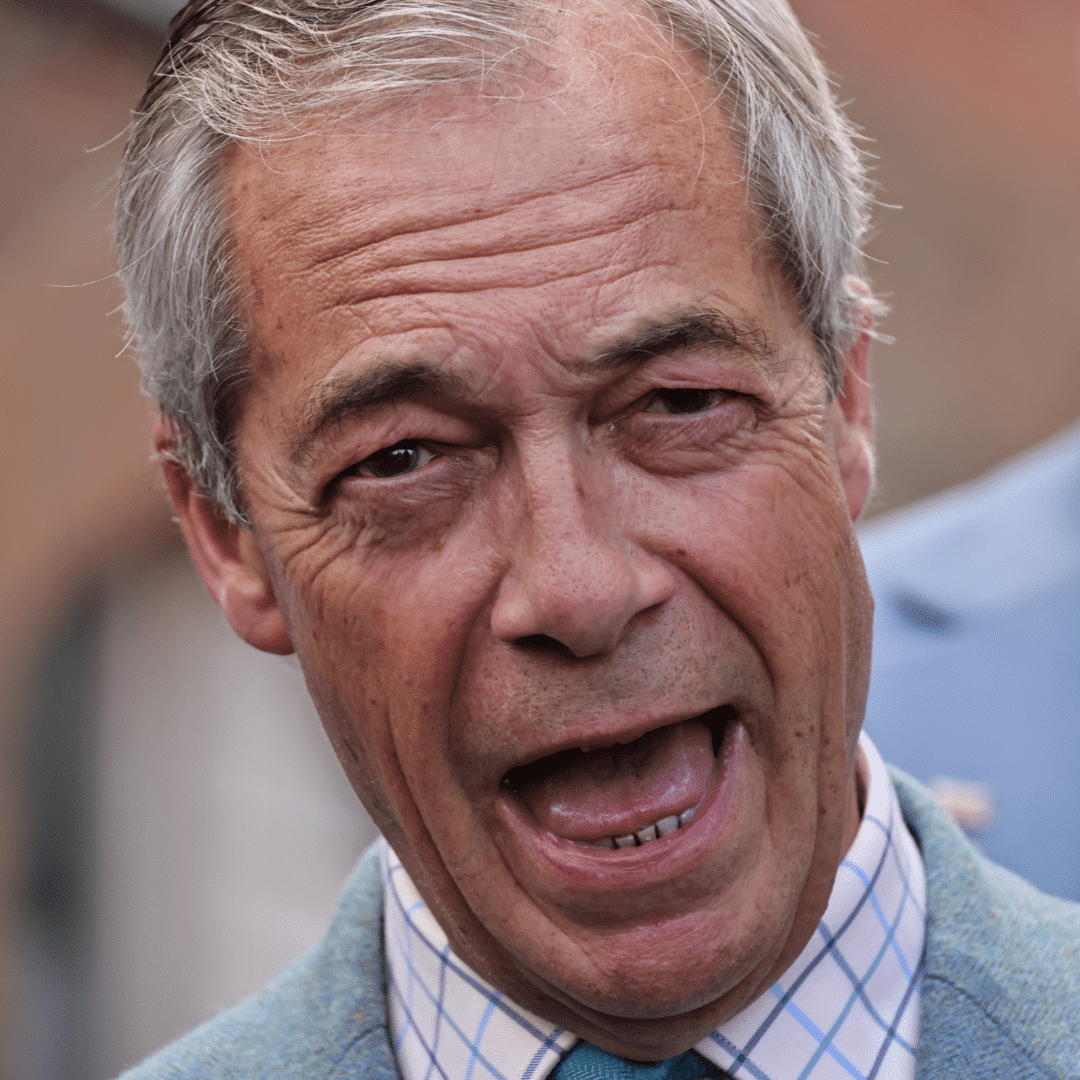
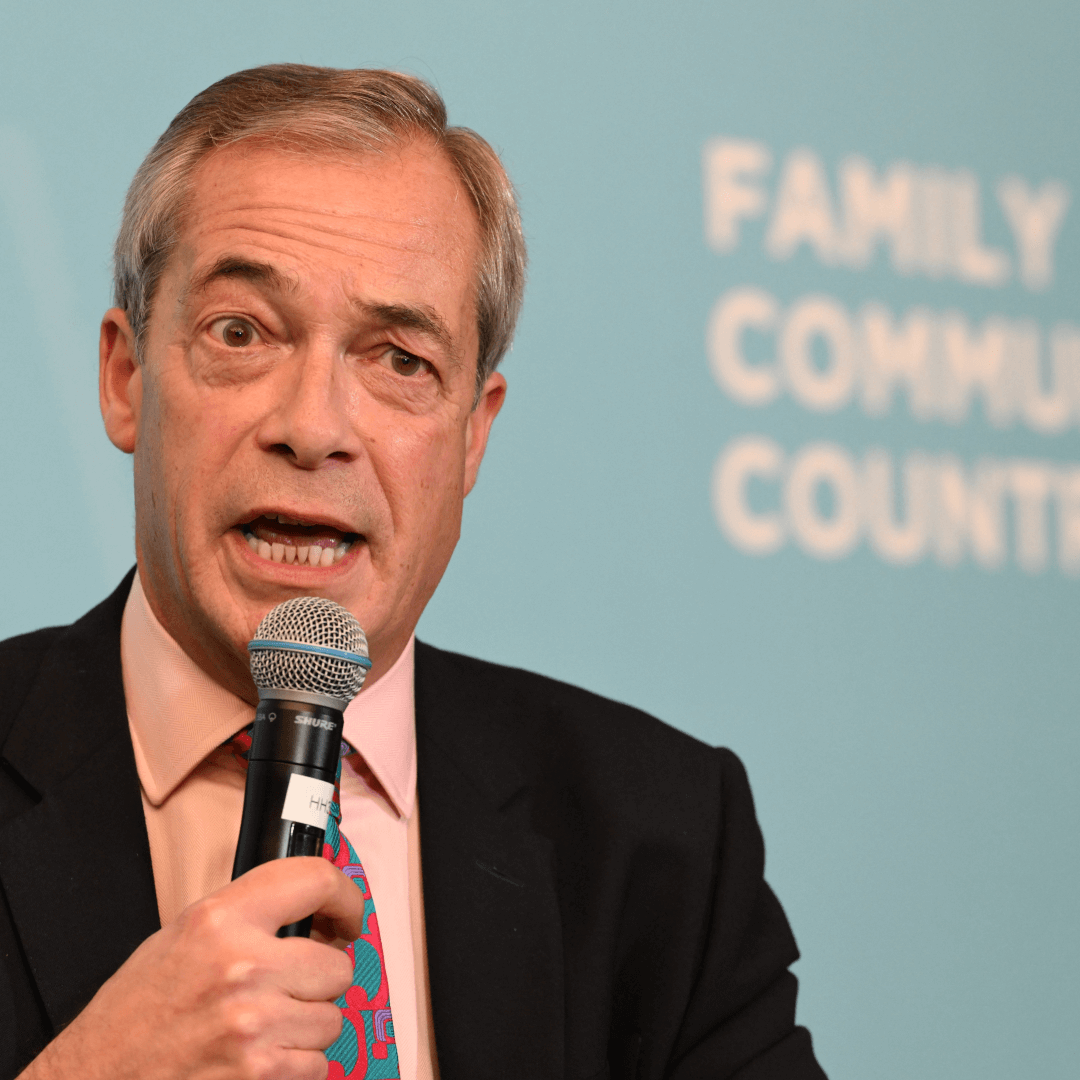
Nigel Farage has announced that he will stand down as the MP for Clacton in order to trigger a by-election, which he intends to contest himself.
Farage has framed the decision as a “people versus the establishment” moment, arguing that voters should be given the chance to judge him directly following what he describes as relentless media and political pressure. His message is clear: let the people of Clacton decide.
The decision follows a sustained period of scrutiny over Farage’s finances and political associations. This includes questions around a reported £5 million gift from Christopher Harborne, a Thailand-based crypto billionaire and major Reform UK donor, as well as allegations concerning undeclared support from George Cottrell, a former Farage aide who served time in a US prison after pleading guilty to wire fraud. Farage denies wrongdoing and maintains that he has complied with the relevant rules.
Farage has also sought to make the issue personal. He repeatedly referred to the safety of his family and argued that media scrutiny had crossed a line from legitimate political questioning into intrusion and intimidation. In particular, he pointed to questions about his daughter and suggested that press interest in his private life had put his family at risk. This is likely to be a central part of his campaign framing: that the issue is no longer only about donations, standards or declarations, but about whether the media and political establishment will use anything, including his family, in order to damage him.
This safety argument serves an important political purpose. It allows Farage to present himself not just as a politician under scrutiny, but as someone being personally attacked by powerful institutions. That will resonate with his core supporters and reinforces Reform UK’s wider anti-establishment message. It also makes the by-election more emotionally charged, shifting the debate from a technical standards issue to a broader question of fairness, privacy and whether Farage is being treated differently because of who he is.
Importantly, standing down does not necessarily bring the House of Commons standards process to an end. The House of Commons Procedural Protocol states: “If Parliament is dissolved or the Member otherwise ceases to be a Member while an investigation is in progress, the Commissioner will suspend their investigation until the Member is re-elected.” It also makes clear that “the receipt of a complaint or the initiation of an investigation by the Commissioner does not imply that there has been a breach of the rules of the House.”
This means that a resignation and re-contested by-election would not automatically wipe the slate clean. If Farage is re-elected in Clacton, the standards investigation could resume. That limits his ability to present the by-election as a complete reset, although politically he will argue that a fresh mandate from voters carries more weight than the Westminster process.
The move is politically risky, but likely calculated. A parliamentary by-election typically costs the taxpayer a few hundred thousand pounds, with historic figures putting the average cost of UK parliamentary by-elections since 2010 at around £239,529. That cost may become part of the opposition attack line: that Farage is forcing a publicly funded contest to reset the narrative around his own controversies. Some critics will also argue that the timing is deliberate, with Farage seeking to wrest back political attention at a moment when the new Andy Burnham premiership is dominating the national narrative.
It would also appear that the main parties may not contest the by-election. Reports suggest Labour, the Conservatives, the Liberal Democrats and the Greens are not planning to stand candidates, with some rivals framing the contest as a publicity stunt rather than a conventional electoral contest.
That is significant because it risks undercutting Farage’s intended framing. He may seek to present the by-election as a “people versus the establishment” moment, but if the main parties do not engage, the contest could quickly feel anticlimactic rather than a major democratic showdown.
There is also a wider public perception risk. Early polling and political reaction suggest the decision to trigger a by-election has not necessarily landed as Farage intended. While it is unlikely to damage him significantly with his core Reform UK base, it could prove more problematic with the Labour and Conservative voters he needs to win over if Reform is to broaden its appeal. For those voters, the move may look less like an act of democratic accountability and more like an unnecessary political exercise at public expense.
If the main parties do not stand, the electoral arithmetic becomes less important. The contest would no longer be a meaningful test of whether Farage can hold Clacton against mainstream opposition, but rather a question of turnout, media attention and whether he can persuade voters that the by-election is more than a political stunt. On that basis, the risk for Farage is not defeat, but that the contest fails to generate the drama or sense of public vindication he is seeking.