
New Leader, Old Labour? Andy Burnham Moves One Step Closer to Number 10
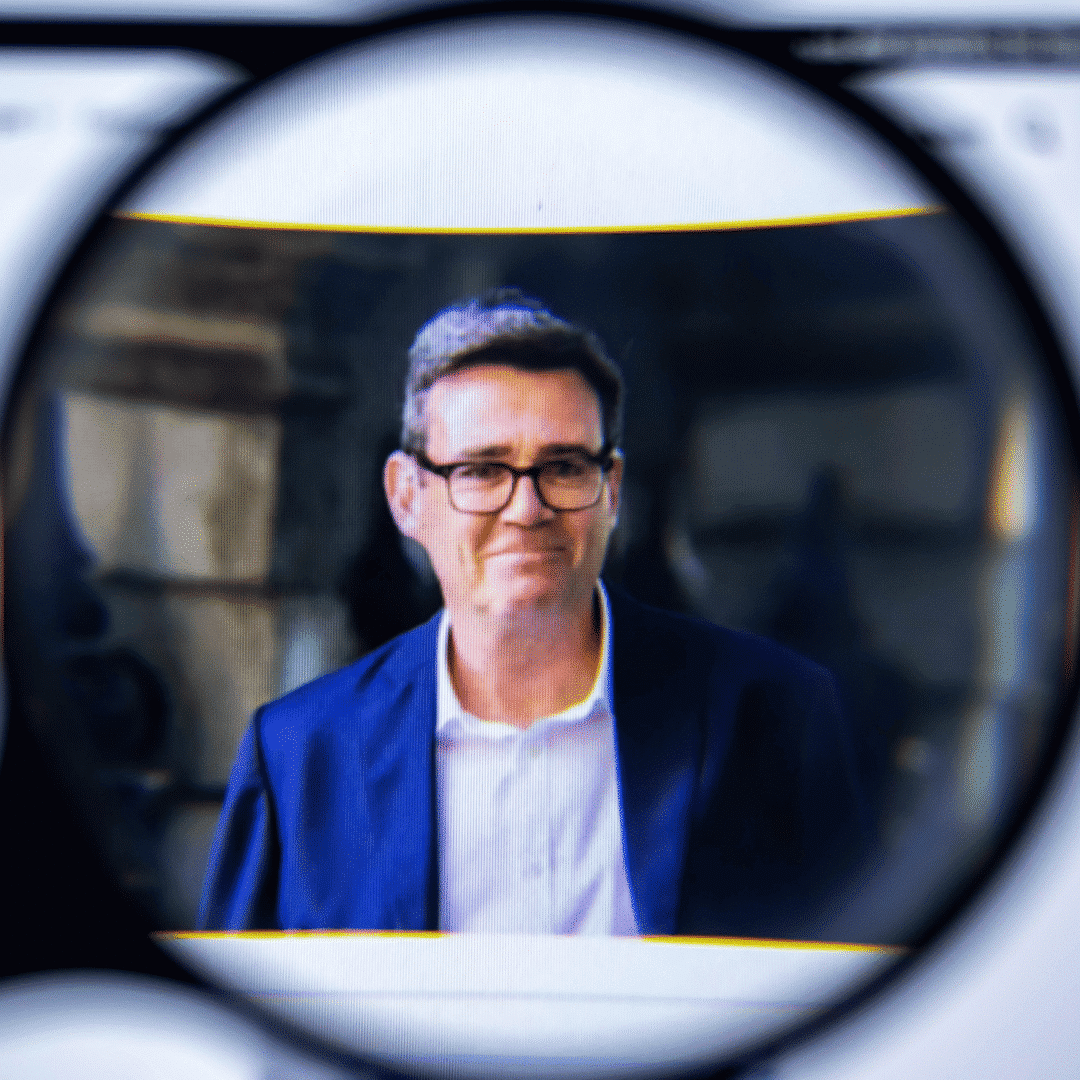
Andy Burnham has today been formally confirmed as leader of the Labour Party, clearing the way for him to become Prime Minister on Monday.
Keir Starmer will remain in Downing Street over the weekend before travelling to Buckingham Palace to formally tender his resignation to the King. Burnham will then be invited to form a government, make his first speech outside Number 10 and appoint his Cabinet.
Today’s speech at Labour’s special conference was not full of policy detail. Instead, it told us more about how Burnham wants his leadership to feel: more optimistic, more emotional and more “recognisably Labour” than what has gone before.
The central message was hope. Burnham spoke about people and places that had waited too long for politics to offer them something better and warned that this could be Labour’s “last chance to change”.
He paid tribute to Starmer for rebuilding Labour after the 2019 election defeat, but followed this with a clear admission that the Government had not been good enough since coming to power. Burnham tried to convey a respectful but unmistakable message: Starmer restored Labour’s electoral credibility, but Burnham intends to take the party in a different direction.
Burnham promised “one Labour team” and said his leadership would challenge the factionalism and internal briefing culture that have long affected the party. He also rejected the idea that Labour should imitate its political opponents, saying it should stop “wearing too many Tory clothes” and win by being itself.
There were few new policy announcements. Burnham largely restated the emerging themes of his leadership: transferring power from Westminster and Whitehall to local communities, bringing essential services under greater public control and reindustrialising the country through closer cooperation between government, business and local leaders.
These ideas sit alongside his support for a major council housebuilding programme, town-centre regeneration and an education system that places greater value on technical and vocational routes. However, we are still waiting to hear how this programme will work, how much it will cost and what Burnham will prioritise first.
Today was ultimately about tone, direction and, to use the technical political term, vibes. Burnham appeared relaxed, emotional and comfortable in the moment. It was a noticeable contrast with Starmer’s more controlled and managerial style.
Hopefully, there will be more policy next week when Burnham stands outside Number 10 as Prime Minister. Until then, Westminster’s attention is focused on who will join him around the Cabinet table.
Shabana Mahmood now appears likely to move from the Home Office to become Chancellor. She comes from Labour’s traditional right, although she is not easily described as a Blairite and is certainly not from the Labour left.
Mahmood left the front bench after Jeremy Corbyn became Labour leader in 2015 because she strongly disagreed with his economic approach. This may reassure those looking for continuity on fiscal discipline, but there is still uncertainty about her own economic vision. She has not recently held an economic brief and has said relatively little about the major choices facing the Treasury.
This has prompted some grumbling from both business and from sections of the Labour Party. Supporters see a serious and effective operator who could shake up the Treasury. Critics question whether she has the economic experience required and what a Mahmood chancellorship would mean in practice. In addition, the far left of the party aren’t fans of Mahmood after her stint in the Home Office trying to curb migration.
Her appointment would also leave Ed Miliband’s position unclear. He had been widely discussed as a potential Chancellor and remains one of the most prominent advocates of a more interventionist economic programme. Moving him elsewhere could remove him from the climate, energy and industrial policies with which he has become closely associated.
Burnham’s decision on Miliband will indicate how much influence the Labour soft left will have over the new Government. Keeping him in a senior position would help maintain party unity, but denying him the Treasury may suggest that Burnham is not planning quite as dramatic a break with economic orthodoxy as some supporters had hoped.
Louise Haigh is also expected to return to government, with Labour sources suggesting she could become Chancellor of the Duchy of Lancaster. Despite the archaic title, this is normally a significant Cabinet Office role, coordinating the Government’s priorities and helping the Prime Minister drive delivery across Whitehall.
Haigh is one of Burnham’s closest allies and is understood to remain deeply aggrieved about her departure from Starmer’s Cabinet. She resigned as Transport Secretary after her spent fraud conviction became public, despite maintaining that Starmer had previously been made aware of it.
Placing her at the centre of government would give her considerable influence over the transition from Starmerism. She is unlikely to feel particularly protective of the outgoing administration’s structures, personnel or political culture.
For now, however, all of this remains speculation. Burnham’s Cabinet and his more substantive policy programme are expected to emerge once he enters Downing Street.
Today was not intended to answer every question. It was designed to draw a line under the Starmer era and introduce a different style of Labour leadership: more confident in the party’s identity, more focused on place and more willing to promise fundamental change.
Burnham has successfully established the mood. On Monday, he will need to begin filling in the gaps