
Local government and local people
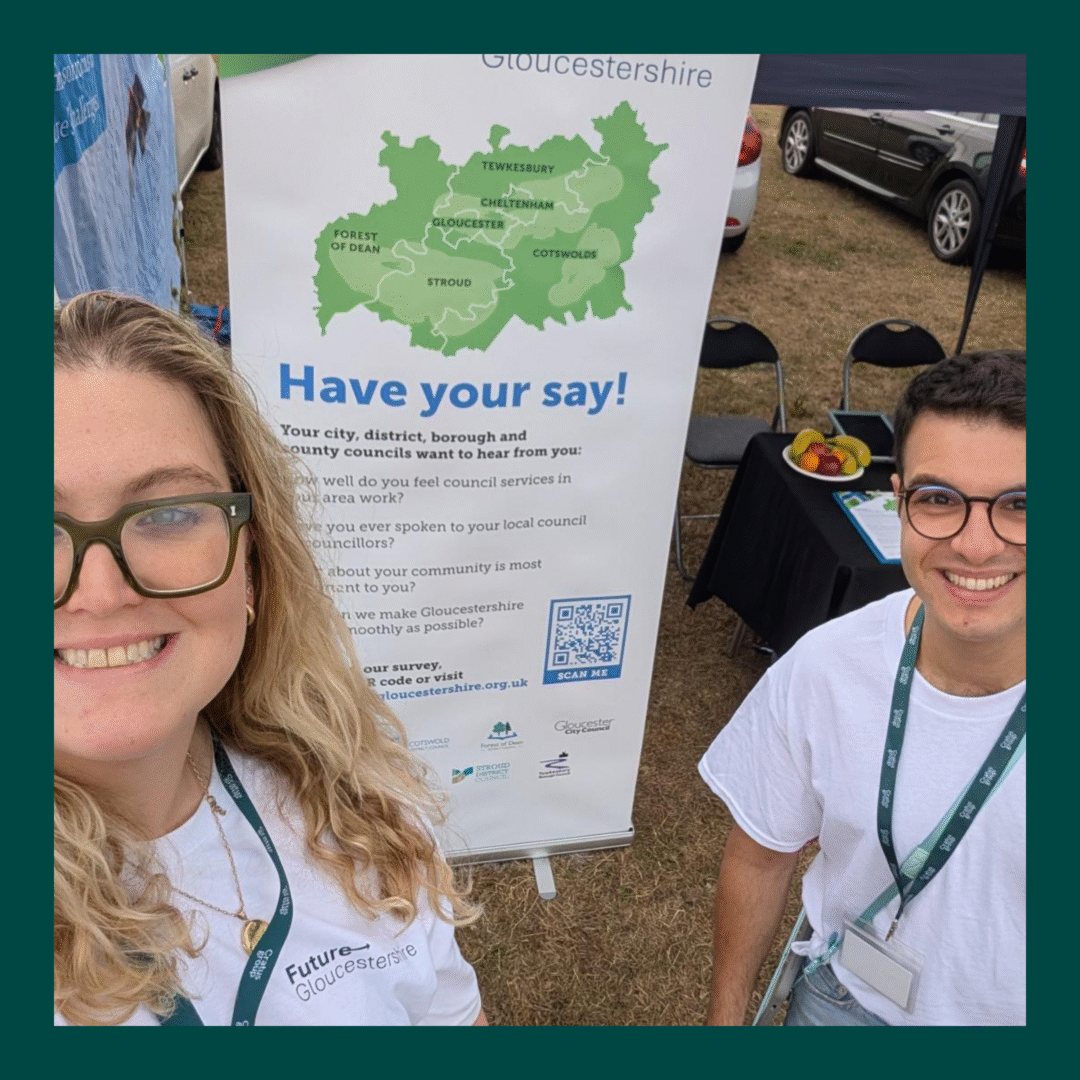
The whole Cratus team, from our Chair to our Account Executives, has been spending the summer out and about, running community engagement activities on behalf of various councils going through the Local Government Reorganisation (LGR) process. And where better to do that than at county shows, community fairs, and local events where the real character of a place comes to life?
Between judging classes of prized cattle, watching acrobatic pirate shows, and being outnumbered by spaniels at dog shows, we’ve been having meaningful conversations with residents about the future of their councils. It’s been a great reminder of why we do this work: to connect people with their local government in ways that make sense to them.
While we in the local government world often find ourselves deep in debates about planning policy, ward boundaries, and governance models, it’s clear that residents are more interested in the practicalities – like who they can contact when they need help, and what their council tax will look like after reorganisation.
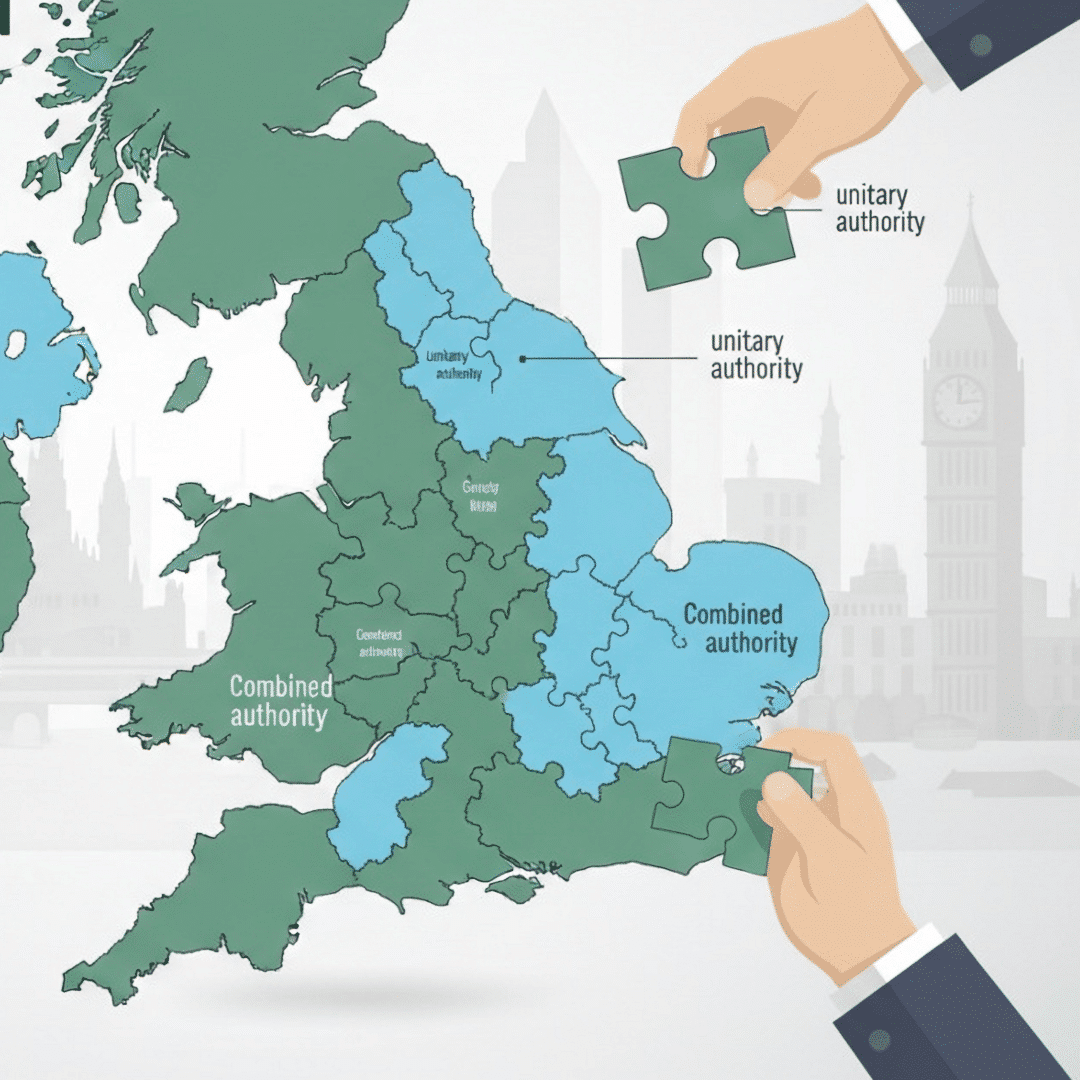
To most, the split between district and county responsibilities feels unnecessarily complex. Trying to explain how one council collects your bins while another disposes of them, or how one delivers benefits while another provides social care for the same household, makes the case for a single, unitary authority feel obvious. People want services that are easy to access, and a system that makes sense.
Being out in the community – quite literally in fields, tents, and highstreets – has been an invaluable opportunity to help officers and councillors hear what matters most to residents. We’ve been reminded again and again that the people who live and work in a place are the real experts. To get the best outcomes, we have to work with them.
One thing that’s stood out is how strongly people feel about their local identities. Even as new structures take shape, preserving a sense of place will be just as important as sorting the finances and governance.
We’ve found that most people genuinely want to understand what LGR means for them, whether they approach us out of curiosity or concern. That’s why we’re so pleased to have been in these communities, sharing information and answering questions in amongst the tug-of-war competitions and sheep shearing. We’ll continue to keep lines of communication open and ensure residents are kept informed as the changes unfold.
And if we don’t have to explain the difference between district and county councils quite so often anymore, that’s one small win – though town and parish councils will, of course, still be there to keep things interesting.
If you would like to talk to us about Local Government Reorganisation, get in touch with Imogen here.